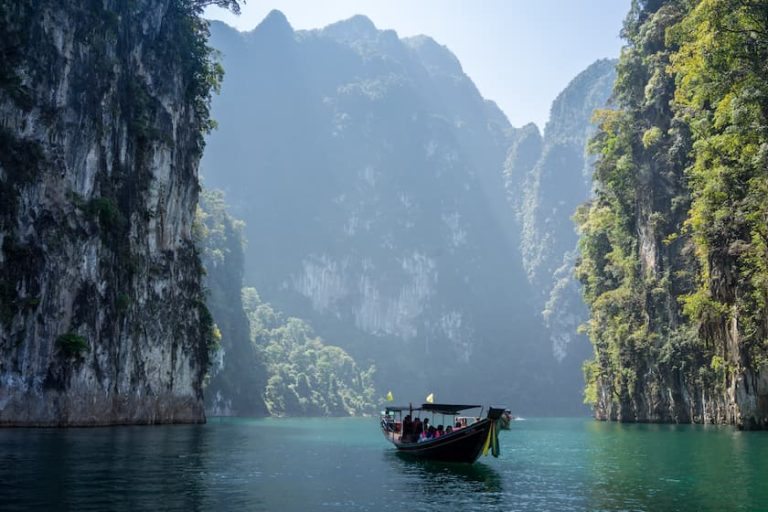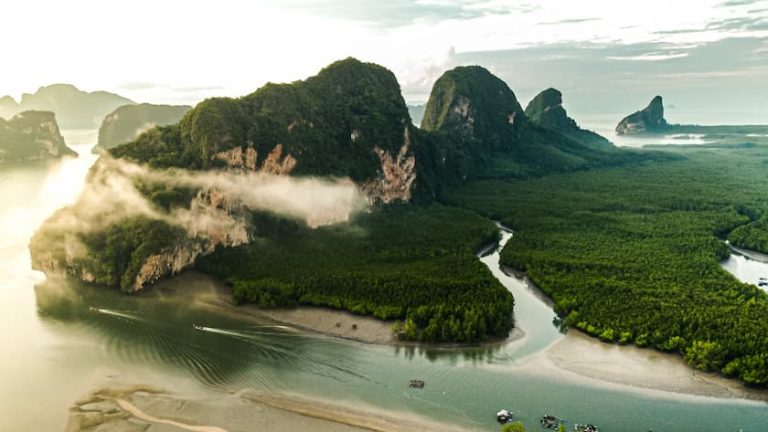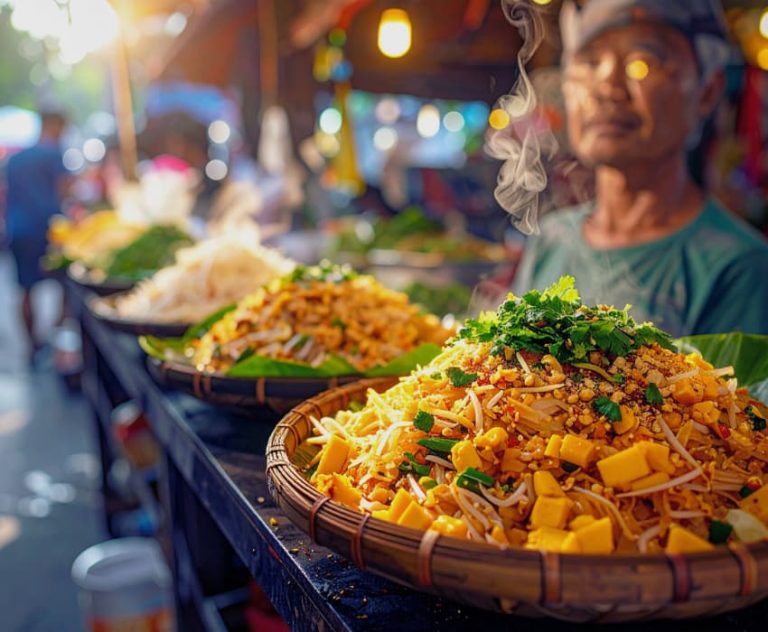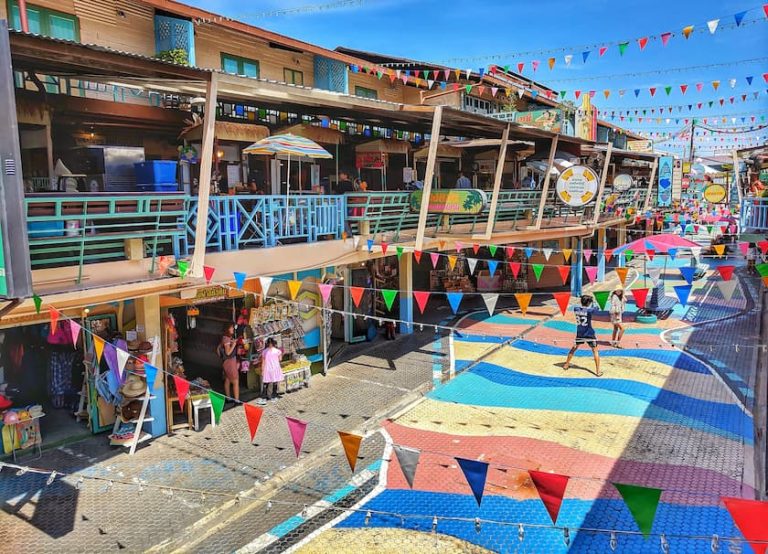
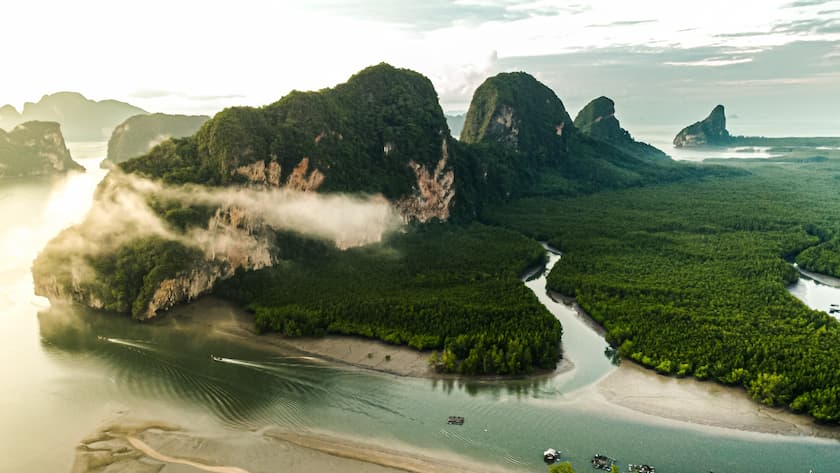
Phang Nga is often associated with a single image: limestone islands rising from emerald water in the heart of Phang Nga Bay. While this view is unforgettable, it represents only one layer of a province shaped by the sea, the forest, and time. Beyond the bay lies a landscape of quiet beaches, protected marine parks, mangrove forests and inland waterways that remain closely connected to local life.
Nature in Phang Nga unfolds gradually rather than dramatically. Long stretches of coastline give way to coconut groves and fishing villages. Inland, waterfalls spill through national parks, forest trails lead to hidden viewpoints, and calm canals wind beneath ancient trees. These environments are not curated for spectacle, but preserved through balance, protection and restraint.
For guests staying in the area, Phang Nga offers the rare opportunity to experience Thailand at a gentler pace. Whether by boat, on foot or simply by spending time outdoors, its natural attractions invite a deeper connection to place, shaped by rhythm rather than rush.
Natural Attractions across Phang Nga
Similan Islands
Lam Kaen, Thai Mueang District, Phang Nga
The Similan Islands are located in the Mu Ko Similan National Park and lie about 70km off the coast of Phang Nga in the Andaman Sea. There are eleven islands in this archipelago, which covers an area of 140 square kilometres and is approximately 120km from Phuket. Each island has a name and a number from one to eleven.
The archipelago attracts many visitors who come to marvel at its rich marine life, coral reefs, sparkling crystal waters, and white stretches of beach. Snorkelling and scuba diving are popular activities here, and on any given day you’ll be treated to sightings of manta ray, great barracuda, leatherback turtles, and various species of shark, among many other marine species.
There are plenty of day trips to the Similan Islands, and boats depart daily from Khao Lak Pier, about 50km north of the Aleenta Phuket Resort. The trip takes about 70 minutes by speedboat, or a few hours by slower boats. Not all the islands allow visitors. Some are protected areas for turtles, particularly during hatching season, while others are closed for reef conservation. The Similan Islands are open to tourists between October and March.
James Bond Island (Khao Phing Kan)
Phang Nga Bay, Phang Nga
James Bond Island has become one of those iconic, must-see tourist hotspots in Thailand. It became famous as a location for the popular 1974 James Bond movie, The Man with the Golden Gun, and as Thailand became a destination for international tourists, its popularity grew.
Located in Phang Nga Bay, Khao Phing Kan consists of two islands connected by two beaches. The local name means “hills leaning against each other”, which indicates the geographical formation of the islands. There are a number of caves that are fun to explore, but they are frequently flooded, so it’s best to see them at low tide.
From James Bond Island, you have superb views of Khao Ta Pu, a limestone karst, or rock, which rises 20m from the water and is located to the west of the northern part of Khao Phing Kan. This karst also featured in the James Bond movie. The diameter increases as you go, reaching 8m at the top, compared with 4m near the water. The rock’s shape gives it its name, which translates to “spike”.
You can wander through the souvenir stands, sample some local treats, and explore the forested landscape. A visit is not complete without a photo opportunity, and there are plenty of those on James Bond Island.
Phang Nga Bay
Phang Nga Bay lies between Phuket Island and the mainland of Southern Thailand. It covers 400 square kilometres and is dotted with over 40 limestone islands that highlight the area’s natural beauty. The bay is a popular destination for boating and kayaking enthusiasts, and the limestone karsts that dot the landscape provide a stunning backdrop for these activities.
Years of seawater washing against the base of the limestone cliffs have formed hongs. “>Some islands, like Hong Island, allow access to interior chambers of some of the larger islands in the bay, where you can view the natural flora and fauna of the cave systems. Some of the hongs are only accessible at low tide.
The bay is sheltered from both the northeast and southwest monsoon seasons. This results in calm waters throughout the year, which offer views of unique marine life and sunken caves. The islands are largely uninhabited, with just a few fishing communities living a very traditional life in the bay.
Ao Phang Nga National Park
Mueang Phang Nga District, Phang Nga
Ao Phang Nga National Park encompasses Phang Nga Bay with its remarkable limestone karsts as well as one of the largest remaining mangrove forests in Thailand. The diverse landscape has contributed to its popularity, and for years, it’s been a much-visited attraction in the area.
The national park is a treasure trove of native flora and wildlife. It’s home to more than 180 bird species, including the brown-winged kingfisher, the thick-billed spiderhunter and the spotted wood owl. In addition, there are seven different species of kingfisher. Birds aren’t the only wildlife in the park. You can also spot otters, monkeys and macaques among the mangroves.
The mangrove forest plays a vital role in the park’s coastal ecosystem. It acts as a storm barrier and a breeding ground for marine life. The best way to explore the national park is by boat, as you can cruise among the limestone formations in the bay and through the mangrove swamps on land.
Samet Nangshe Viewpoint
Khlong Khian, Takua Thung District, Phang Nga
If it’s views you’re after, a visit to the Samet Nangshe Viewpoint is a must. Located about 30km east of our luxury resort, the east-facing viewpoint affords panoramic views over the mangrove forest and Phang Nga Bay with its limestone islands and tranquil waters.
The viewpoint is at the top of a hill and a good 25-minute walk from the base, although there are benches along the way if you need a quick rest. You may be lucky and catch a ride with one of the pickup trucks for a small fare, but whichever way you choose to get to the summit, you won’t be disappointed once you’re there.
Ton Chong Fa Waterfall
Khao Lak-Lam Ru National Park
A popular spot to visit is the Ton Chong Fa Waterfall in Khao Lak-Lam Ru National Park, both for its proximity to Khao Lak and for being one of the best waterfalls in the area. You can reach the falls by scooter, but the more energetic visitors will enjoy the easy one-hour hike through banana trees and jungle-like terrain to get there.
Water flows over five levels, some of which have small pools underneath that are perfect for cooling off on a hot day. During the rainy season, the water flows more powerfully, and the falls may be closed to the public. The area is popular with birdwatchers keen to spot some of the exquisite birds.
Khao Lak-Lam Ru National Park
Petchkasem Road, Khuekkak, Takua Pa District, Phang Nga
Khao Lak-Lam Ru National Park was originally a coastal park. Over time, it has been expanded and now includes some of the forested and mountainous inland regions, covering a total area of 150 square kilometres.
The park’s tropical evergreen nature provides a home to a diverse variety of mammals, reptiles, and birds. There are many waterfalls throughout the park, as well as walking trails and more complex guided hiking trails.
The small beach is one of the park’s main attractions and is accessible by car. Alternatively, nature lovers will enjoy the easy one-kilometre trail to reach it from the visitors’ centre. Once there, the white sand and clear waters make for a great place to relax, swim, or snorkel.
Khai Islands
Andaman Sea, Ko Yao District, Phang Nga
The Khai Islands consist of three small islands, Khai Nai, Khai Nok and Khai Nui. They’re located off the east coast of Phuket in the Andaman Sea, and about 15 minutes by speedboat. There are plenty of Phuket-based tour companies offering half-day or full-day tours that include the Khai archipelago.
Khai Nai and Khai Nok are the most visited of the three. These islands have picturesque white-sand beaches with deck chairs for relaxation. There are also a few bars selling beverages and refreshments, encouraging visitors to stay a little longer and enjoy the tropical ambience. On the other hand, Khai Nui remains natural and rustic, with no beach or other facilities. However, it makes up for this with crystal blue waters perfect for swimming and snorkelling.
Koh Panak Island and Bat Cave
Phang Nga Bay, Takua Thung District, Phang Nga
Panak Island is another stunning limestone island in Phang Nga Bay. Although uninhabited, the rugged scenery and incredible hongs make it a fixture on most Phang Nga Bay tours.
A hong is a lagoon-type feature that forms over hundreds of years due to erosion. It becomes accessible when waves from the seaside of the island erode the limestone, creating an opening to the lagoon. Some of the cave entrances are inaccessible at high tide.
Panak Island actually has two hongs connected by a slim channel. The scenery in both is impressive, with high limestone cliffs rising from the tranquil water, and you may see waterfalls, stalactites, and even mangrove trees growing along the walls.
There are a few notable caves on Panak Island, two of which are Mangrove Cave and Climbing Cave. The most popular of the caves is Bat Cave. This is quite a large cave with twists and turns to negotiate, and some low-hanging rocks to avoid. It gets incredibly dark the further in you venture, until the light from the distant hong brightens your surroundings again.
As the name suggests, Bat Cave is inhabited by hundreds of bats, most of which hang silently from the roof and walls of the cave. They tend to mind their own business, so unless you disturb them, they won’t disturb you!
Khuk Khak Beach
Khuekkhak, Takua Pa District, Phang Nga
Sandwiched between Bang Niang Beach and Cape Pakarang, Khuk Khak Beach is an unspoilt 5km stretch of natural beauty. The beach is set against a backdrop of palm and conifer trees that act as a sound buffer against traffic on nearby roads, maintaining a tranquil atmosphere.
There are a couple of restaurants close to the beach, but set far enough back to be unnoticeable. The area maintains a traditional feel, and at times, you’re more likely to see fishermen going about their daily chores than other tourists. The water is warm and clear, and shallow at low tide, producing a vast stretch of beach ideal for long walks and paddling.
Natai Beach
Khok Kloi, Takua Thung District, Phang Nga
One of the hidden gems of Phang Nga is Natai Beach. The white sands of this peaceful beach stretch for 10km, and are framed by the turquoise Andaman Sea on one side and the deep coconut groves on the other.
The many protected zones around Natai Beach and strict building regulations in the area help maintain the beach’s natural characteristics and keep it unspoilt. Visitors here can expect absolute serenity, free from the noise and distraction of jet skis, beach peddlers, or busy cocktail bars. The only noise comes from the gentle wash of the ocean along the shore and from wildlife in the area.
Closer to the pier, you’ll experience the hustle and bustle of the local fishermen as they set off in the morning or arrive later in the day. These sounds contribute to the beach’s rustic, natural feel.
Klong Sang Ne (Little Amazon)
Bang Nai Si Sub-district, Takua Pa District, Phang Nga
Klong Sang Ne, or Little Amazon, is a small canal about a 30-minute drive from Khao Lak. It runs from Khao Bang Tao and ends in the Takua Pa River. The plant life in the rainforest surrounding this canal is thick and diverse. Mangroves are interspersed with unique plants, and ancient banyan trees spread their thick branches to create a canopy tunnel.
A trip up the canal takes about an hour, and you can expect to see a range of wildlife, including macaque monkeys, monitor lizards, mangrove snakes and reticulated pythons. It’s also a haven for birders with hornbills, kingfishers and egrets frequenting the area.
Khao Lampi-Hat Thai Mueang National Park
Thai Mueang District, Phang Nga
There are two distinct sections to the Khao Lampi-Hat Thai Mueang National Park: the beach and the mountain range. The western side of the park is the Hat Thai Mueang section, where you find a 13km stretch of beach with a backdrop of mangrove forest. This beach is a protected area, primarily because Leatherback turtles nest here between November and February.
The eastern side of the park has more mountainous terrain and is popular for its many scenic waterfalls. The largest waterfall is Ton Phrai, which is 40m high and very impressive during the rainy season. You’ll also find the Lampi Waterfall that gives the park its name.
There is plenty of wildlife in the park, including civets, limas, barking deer, wild boars and porcupine. The Lampi Mountains are also home to larger mammals like tigers, bears and buffalo that tend to inhabit the deeper forested mountain areas, so you’re unlikely to come across them very often.
Sa Nang Manora Forest Park
Nop Pring Sub-district, Mueang Phang Nga District, Phang Nga
Sa Nang Manora is a forest park in the Khao Thoi-Nang Hong Forest about 4km north of Phang Nga town. The park covers a small area and is hilly rather than mountainous, with evergreen trees and jungle foliage.
A 2km nature trail winds through the forested landscape, and several small waterfalls with small pools offer a reprieve from the heat. Some other easy trails lead to caves named Bat Cave and Shell Cave. Neither is much more than a couple of kilometres from the park’s main office, and both are worth a visit if you have the energy. One or two trails are slightly more challenging, and you would need a guide to navigate them.
Surin Islands
Khura Buri District, Phang Nga
Five islands make up the Surin archipelago: Koh Surin Nuea, Koh Surin Tai, Koh Ri, Koh Khai and Koh Klang. These form part of the Mu Koh Surin National Park, of which 80% is ocean.
The two main islands of Koh Surin Nuea and Koh Surin Tai are very close together, and at low tide, you can walk from one to the other. The coral and many species of marine life around these islands provide fantastic snorkelling opportunities, and the warm, tropical water makes swimming a pleasure.
The other three islands are smaller rocky outcrops, but also yield live coral reefs and are great for snorkelling. A highlight for divers in the area is the coral-covered Richelieu Rock, a partially submerged limestone rock that attracts a large number of whale sharks.
The Surin Islands are home to most of the marine species in the Andaman Sea. Snorkelers and divers are truly spoiled with the underwater scenery that teems with life. Gardens of anemones, sponges and coral provide a colourful backdrop for the tropical fish and other unique marine life.
Phang Nga Through The Aleenta Lens
Set along the unspoilt shores of Natai Beach, Aleenta Phuket Phang Nga Resort and Spa is positioned not as a gateway to attractions, but as part of the landscape itself. The surrounding environment shapes the guest experience, from quiet mornings by the sea to day trips that follow the province’s natural contours.
Many of Phang Nga’s most memorable places are reached slowly. A boat gliding through mangroves, a forest path leading to a waterfall, or a viewpoint revealed at sunrise all reflect a way of travelling that values patience and presence. This philosophy mirrors Aleenta’s approach to hospitality, where space, privacy and wellbeing are prioritised over excess.
Staying in Phang Nga is not about ticking off landmarks. It is about allowing time for the land and sea to reveal their character. From protected beaches and marine parks to inland forests and waterways, these natural settings remain most rewarding when experienced with care and respect.
At Aleenta, the surrounding province becomes part of the stay itself. Guests are encouraged to engage with Phang Nga as it is, quietly remarkable, deeply rooted and best appreciated without haste.
Related Articles
- Islands in Phang Nga Bay
- Things to See and Do in Phang Nga
- Beaches in Phang Nga
- On the Beach Retreats in Phang Nga
- National Parks In Phang Nga Province
Prefer an AI Summary?
Aleenta Phuket
Phang Nga Resort & Spa
Phang Nga Resort & Spa
33 Moo 5, Khok Kloi,
Takua Thung, Phang Nga
82140 Thailand
T: +66 (0) 76 580 333