Bangkok is a city that thrives on contrast. Golden temples sit beside glass towers, sizzling street food is only moments away from fine dining, and cultures from across Asia meet on every corner. Among the most vibrant influences is Japanese culture. With a long history of connection between Japan and Thailand and a thriving modern community in the Thai capital, visitors can enjoy an impressive variety of Japanese experiences without ever leaving Bangkok.
From serene gardens and heritage sites to lively izakaya streets, anime shops and polished dining halls, Japanese culture in Bangkok offers many things to see and things to do. At akyra Bangkok 11, you are perfectly placed in Sukhumvit, close to the areas where this spirit comes to life most.
Japanese Spirit In The Thai Capital
The relationship between Japan and Thailand stretches back centuries. Traders and travellers journeyed between the two kingdoms, bringing ideas, craft and culinary traditions with them. Over time, these connections created communities that left their mark on river ports and royal capitals.
Today, that history still echoes through Bangkok. It lives in riverside memorials that tell the story of early Japanese settlers, in the way local tastes have welcomed Japanese flavours, and in the effortless way the city embraces both Thai and Japanese hospitality. You can feel this blend in the calm politeness of the service staff, in the care taken with food presentation, and in the quiet courtyards that appear behind busy streets.
The Japanese Community
Bangkok is now home to one of the largest Japanese communities in the region. Many residents work in international business, design, technology and hospitality, and they naturally shape the neighbourhoods where they live and socialise.
Walk around central districts and you will notice Japanese schools, language centres, business offices and cultural associations. Around them grow streets filled with ramen bars, sushi counters, whisky lounges, Japanese bakeries and supermarkets stacked with familiar snacks and sauces. Everyday life has created a city within a city, and curious visitors are warmly invited in.
akyra Bangkok 11
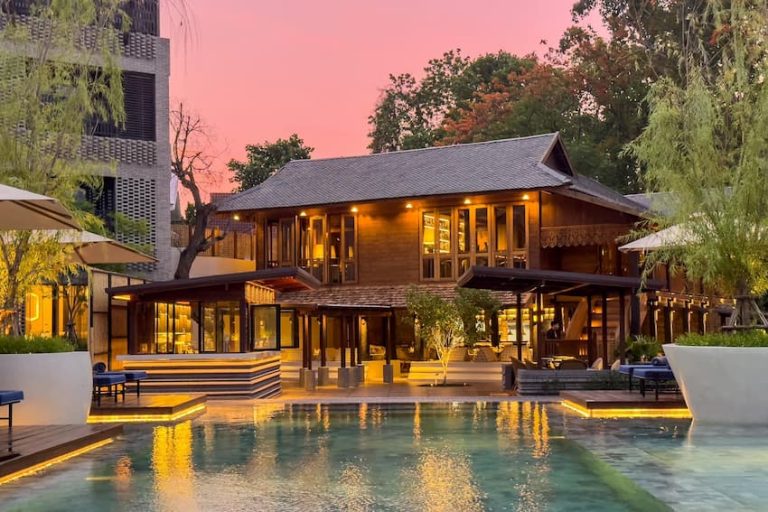
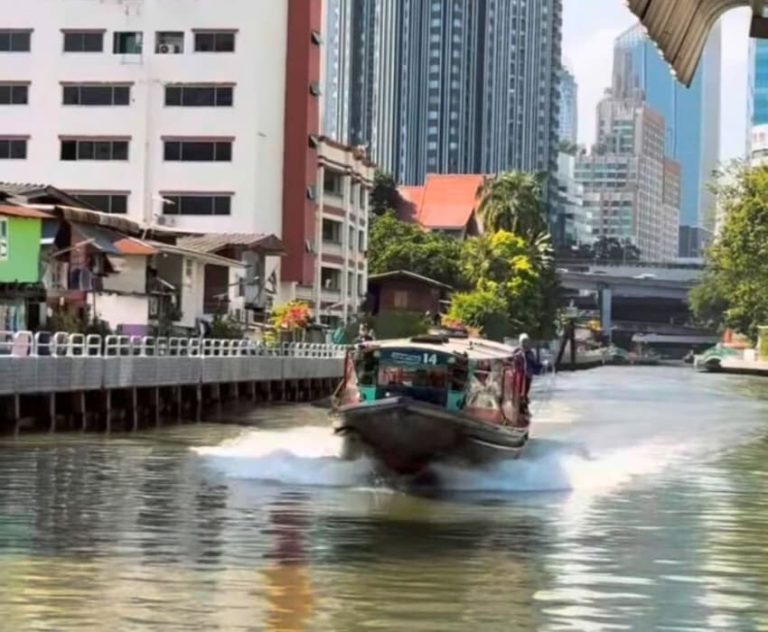
akyra Bangkok 11 sits on Sukhumvit Soi 11, one of the most energetic streets in the city, yet tucked beside a peaceful canal that keeps the hotel feeling calm and intimate. From here, it is only a short stroll to Nana BTS station, which connects directly to the Sukhumvit line and serves Phrom Phong, Thonglor, and Ekkamai, the main hubs for Japanese culture in Bangkok.
You can step out from the lobby into a neighbourhood filled with cafés, bars and global restaurants, then be among Japanese supermarkets and izakaya just a few train stops away. It makes the hotel an ideal choice if you are keen to explore both classic Bangkok attractions and the Japanese side of the city during the same stay.
Boutique Calm and City Energy
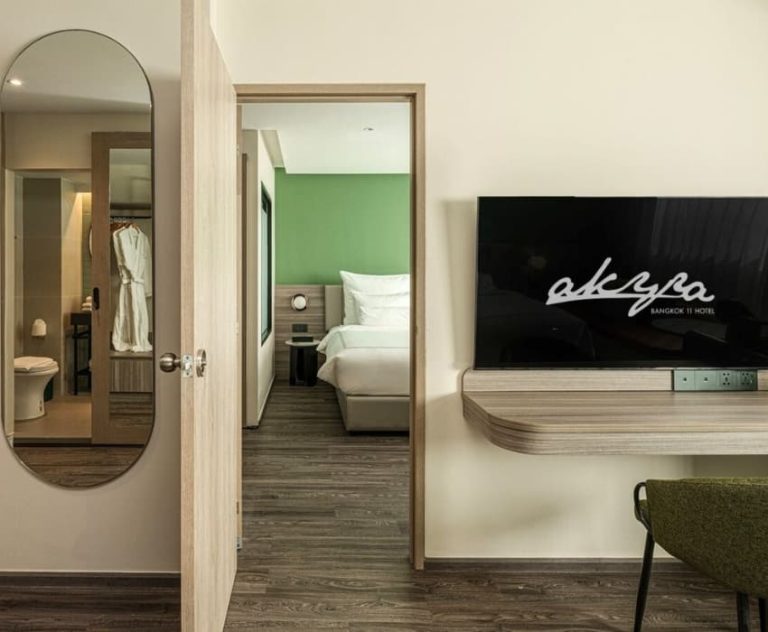
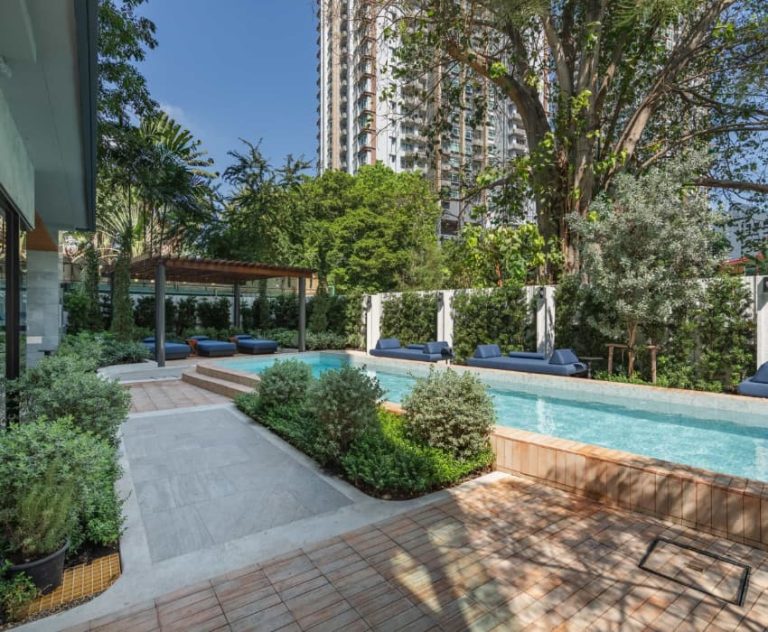
Inside the hotel, you return to soft lighting, contemporary design and a relaxing atmosphere that encourages you to slow down. Thoughtful touches create a sense of sanctuary after a day spent tasting ramen, browsing manga or strolling through busy malls. Breakfast and evening drinks become moments to reflect on your discoveries and plan the next adventure into another part of town.
Easy Connections
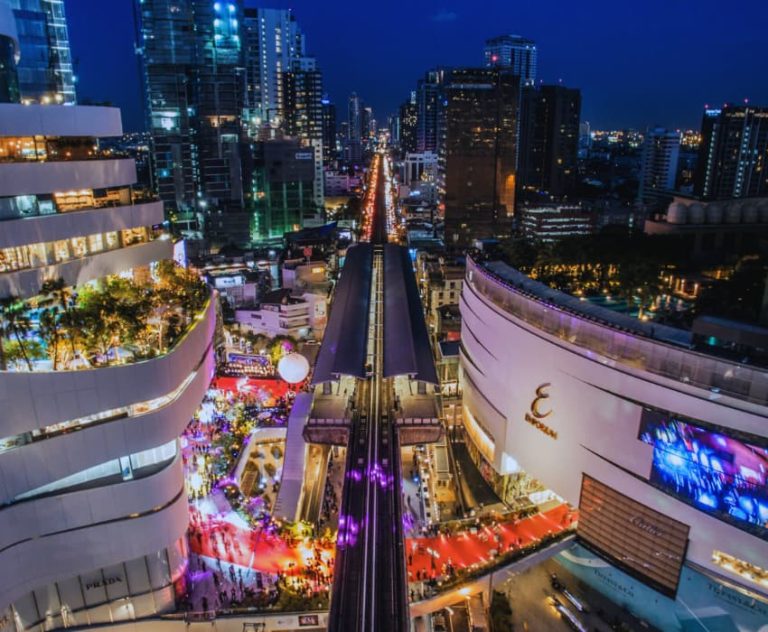
The BTS takes you to Phrom Phong in only a few stops, where high-rise living and elegant shopping centres hide streets of Japanese dining. A little further along, Thonglor and Ekkamai open up with creative bars, late-night eateries and convenience stores that feel straight out of Tokyo.
For riverside experiences and the stylish world of Iconsiam and Siam Takashimaya, you can connect from the BTS to boat services, turning the journey itself into part of the pleasure as you glide along the Chao Phraya River.
Flavours Of Japan Along Sukhumvit Road
Little Japan
Phrom Phong is one of the most visible centres of Japanese culture in Bangkok. Around the station and its main luxury malls, you will see signs in Japanese script, hear conversations floating between Thai, Japanese and English and notice queues outside popular ramen counters. Many residents choose to live in this district, and the cafés, supermarkets and restaurants meet their daily needs as much as they serve visiting diners.
Look along the smaller sois that run off Sukhumvit Road, and you will find compact izakaya, shabu shabu restaurants, curry houses and specialist dessert cafés. A stroll here at lunchtime or early evening feels like stepping into an urban Japanese district that happens to enjoy tropical weather and Thai smiles.
Trendy Thonglor and Ekkamai
Thonglor and neighbouring Ekkamai have developed a reputation as fashionable, slightly bohemian areas where creative locals, expats and Japanese residents all mingle. Trendy cocktail bars sit beside yakitori joints, whisky lounges and noodle shops that open until late.
As you wander the back streets, paper lanterns and discreet wooden doorways mark intimate spots serving grilled skewers, sashimi or homestyle dishes. At street level, you might find a quiet sushi bar with only a handful of seats, while above it, a second-floor bar pours Japanese whisky and craft highballs.
Ekkamai continues the theme with casual eateries, live music venues and Japanese convenience stores packed with imported drinks and snacks. Both districts reward unhurried exploration, especially in the evening when the neon signs and warm glow of restaurant windows invite you in.
Nihonmachi Community Mall
A short journey from central Sukhumvit, Nihonmachi, on Sukhumvit Soi 26, has become a favourite destination for anyone who loves Japanese food and lifestyle. This community mall was created with a distinctly Japanese atmosphere, from its low-rise layout and wooden accents to the lantern-lit walkways and signage. Visitors find more than twenty Japanese restaurants and lifestyle outlets, including barbecue spots, hot pot restaurants, sushi and sashimi bars and casual izakaya-style venues.
Many eateries here offer floor-style seating or simple crate-style tables that encourage relaxed conversation. Menus showcase comfort dishes alongside seasonal specials and popular sake brands. Even if you are not sure which restaurant to choose, simply strolling around in the early evening, listening to conversation and peeking through doorways gives a delightful flavour of contemporary Japanese life transplanted to Bangkok.
Heritage At The Japanese Village
Memorial Park
For a sense of history, travellers can visit the Japanese Village in Ayutthaya, the ancient capital of Siam. This peaceful memorial park stands on the site where a large Japanese community once lived during the Ayutthaya period, when the kingdom welcomed traders, artisans and warriors from across the region.
Little remains of the original settlement, yet the landscaped grounds bring the story to life gently. Mature trees provide shade along the riverbank, while a Japanese-style garden, a small pavilion and a commemorative monument create a graceful space for reflection. The atmosphere is notably calm, a contrast to the bustling city streets, and it is easy to imagine river boats passing with goods and messages between Thai and Japanese residents centuries ago.
Museums
A compact museum within the village offers more detail for those interested in cultural history. Exhibits outline the early connections between Japan and Thailand, including the roles of merchants, Christian exiles, and samurai who served the Ayutthaya court. Displays include reproductions of maps, old books, and everyday objects that illustrate how people lived, worked, and worshipped on this spot.
Many guests choose to pair a visit to the Japanese Village with a visit to Ayutthaya’s famous temple ruins, creating a day that weaves together Thai heritage and Japanese influence. Returning to akyra Bangkok 11 in the evening, you carry a richer understanding of how today’s Japanese culture in Bangkok grew from these shared roots.
Dining At Siam Takashimaya
Rose Dining
On the banks of the Chao Phraya River, the glittering Iconsiam complex gathers together luxury shopping, art exhibitions and a remarkable concentration of dining experiences. Within this development is Siam Takashimaya, a vast Japanese department store spanning multiple floors.
On the upper levels, the Rose Dining zone recreates the feel of a Japanese food street, with a collection of specialist restaurants arranged along a central walkway. Many of these eateries originate from Japan, and some have opened here as their first branch outside their home country. They serve everything from precisely sliced sashimi and delicate tempura to hearty bowls of ramen and regional dishes from Hokkaido to Kyushu.
Attention to detail is evident in the open kitchens, where chefs focus on technique and quality ingredients. Some restaurants highlight seafood flown in directly from Japan, others focus on grilled meats or carefully balanced noodle broths. The overall impression is of polished yet welcoming dining that honours Japanese culinary traditions while fitting seamlessly into Bangkok’s love affair with food.
Sweet Treats and Tea Rituals
Siam Takashimaya is also a haven for anyone with a sweet tooth. Dessert counters present picture-perfect cakes, mochi, and seasonal Japanese sweets, arranged like jewels in bright display cases. Ice cream brands from Japan tempt with flavours such as matcha, black sesame, and roasted tea, while dedicated tea shops offer premium loose-leaf blends and matcha tools.
Between restaurant reservations, you can wander the aisles, sample small bites and perhaps join locals in picking up beautifully wrapped confectionery as gifts. With sweeping views of the river below and the soft buzz of shoppers around you, it is easy to forget you are not in a Tokyo department store.
Markets, Supermarkets and Everyday Finds
One of the most enjoyable ways to experience Japanese culture in Bangkok is through its supermarkets. Across the city, you will find Japanese grocers offering familiar brands of soy sauce, curry cubes, rice crackers and instant noodles alongside fresh ingredients such as daikon, shiso and tofu. Exploring the aisles gives insight into everyday tastes and trends, and you may discover your new favourite snack.
Among the most famous names is Don Don Donki, the Thai branch of Japan’s popular Don Quijote discount chain. These stores gather thousands of products under one roof, from confectionery and ready-to-eat bentos to cosmetics, household items and quirky souvenirs.
Branches in Bangkok, including the large outlet at MBK Center, are known for opening around the clock and for shelves crammed with colourful packaging and novelty goods.
Wandering through Don Don Donki can feel like a trip through Japanese pop culture in miniature. Music plays, staff call out special offers, and shoppers pause to take photos of particularly cute or surprising items. It is a brilliant place to pick up gifts that you would not find at home.
Seafood Halls and Fish Markets
Bangkok’s love of Japanese cuisine has also encouraged the development of specialist fish markets and seafood halls. Here you can sit at counters and watch chefs prepare nigiri and sashimi, or choose seafood to be grilled or steamed to order. Some venues import fish from Japanese markets to maintain authentic flavours and textures, while others blend local catch with Japanese techniques.
Visiting around lunchtime or just after work gives the best sense of atmosphere, as office workers and families gather to enjoy plates of sushi, tempura and rice bowls. The combination of bustling energy and careful preparation perfectly captures the meeting of Thai and Japanese approaches to dining.
Pop Culture, Entertainment and Nightlife
Japanese culture in Bangkok is not only about food. Fans of anime, manga and gaming will find plenty of places to indulge their interests. Major malls such as MBK Center host dedicated anime shops, where shelves are filled with character figures, model kits, card games and themed accessories.
Bookstores stock translated manga and light novels alongside original-language editions, and stationery shops sell notebooks, pens, and stickers featuring much-loved characters. Browsing these stores is a pleasure in itself, and you may well encounter local cosplayers scoping out materials for their next outfit.
Karaoke Bars and Live Music
Evenings in Bangkok give another glimpse into Japanese community life. Karaoke is a favourite pastime, and there are numerous venues where groups of friends and colleagues hire private rooms, order drinks and snacks and sing long into the night. Many of these places offer extensive libraries of Japanese songs as well as Thai and international hits, so that everyone can join in.
In areas with a strong Japanese presence, you will also find intimate bars where regulars gather after work. Some specialise in whisky and highballs, others in beer and simple comfort food. Visitors are usually welcomed if they are respectful and patient, and spending an hour here offers a window into the rhythms of everyday life far from tourist crowds.
Gaming Cafés and Themed Experiences
Scattered across the city are gaming cafés and occasional themed pop-ups inspired by Japanese media, from retro arcade machines to modern console lounges. These venues frequently host tournaments or viewing parties for major anime releases and game launches, creating a sense of community among fans.
While many announcements and events are shared in Thai or Japanese, staff are generally happy to help international guests join the fun. It is yet another example of how Japanese culture in Bangkok feels lived in and genuine rather than staged purely for visitors.
Japanese Style Cafés and Unique Dining
A more tranquil expression of Japanese influence can be found in minimalist coffee bars dotted around Sukhumvit and adjoining districts. These spaces often feature light wood, clean lines and thoughtful lighting. Menus highlight filter coffee, pour-over brews and carefully sourced beans served in handcrafted cups.
Such cafés invite you to slow your pace. They are ideal places to sit with a book, catch up on messages or enjoy a quiet moment between sightseeing stops. The blend of Japanese-inspired design and Bangkok’s relaxed café culture feels particularly soothing.
Dessert Parlours and Matcha Moments
Bangkok has fully embraced Japanese dessert traditions. You will find soft-serve stands swirling rich matcha ice cream, parfaits layered with fruit, jelly, and sweet red beans, and fluffy pancakes drizzled with syrup. Many cafés specialise in these treats, pairing them with matcha lattes or cold brew teas served in delicate glassware.
An afternoon spent wandering between dessert parlours, perhaps combined with a visit to a nearby gallery or bookshop, can be as memorable as any temple tour. It is a delicious way to experience how Japanese tastes have blended into everyday life in the Thai capital.
Omotenashi In Bangkok
At the heart of many of these experiences is the Japanese concept of omotenashi, a style of hospitality that anticipates guests’ needs and emphasises sincerity over formality. You will notice it in the way staff explain dishes, in the pride taken over the smallest detail and in the calm patience offered to visitors who are unfamiliar with customs or menus.
Interestingly, this sits very comfortably alongside traditional Thai hospitality, which is also warm, considerate and guest-centred. As you explore Japanese restaurants, cafés and cultural spots across Bangkok, you may find that the gentleness of the welcome feels familiar, even when the language and food are different.
A Taste Of Tokyo In Bangkok
Japanese culture in Bangkok is rich, varied and constantly evolving. One moment, you can be stepping through a lantern-lit entrance into an izakaya that feels like a corner of Tokyo, the next, you are standing in a riverside garden reflecting on centuries of shared history. You might spend the morning hunting for anime collectables, the afternoon savouring omakase sushi and the evening singing favourite songs in a private karaoke room.
From our boutique hotel in Sukhumvit, the city opens up along the BTS line and across the river, inviting you to explore Japanese neighbourhoods, taste new dishes and collect memories that blend two cultures in one trip.
Related Articles
- Hidden Gems in Bangkok
- Explore Bangkok’s Canals
- Top 10 Popular Streets in Bangkok
- Four Day Bangkok Itinerary
- Chinese New Year in Bangkok
Prefer an AI Summary?
The akyra Bangkok 11
65 Soi Sukhumvit 11,
Khlong Toei Nuea, Watthana,
Bangkok 10110, Thailand
T: +66 2 853 9225