
Bangkok is often introduced through its skyline, shopping centres and fast-moving streets, yet some of its most memorable moments happen in places built for calm. Historical Thai houses in Bangkok invite you into shaded courtyards, teak-lined rooms and open terraces where the city’s story feels personal and close at hand.
Exploring these homes is also one of the simplest ways to connect with Thai culture. You see daily life reflected in design choices, from the way the buildings catch the breeze to the way families once gathered around a shared terrace. For guests at akyra Bangkok 11 Hotel, these heritage spaces offer a rewarding balance to modern Bangkok, adding depth to your days in the city.
Thai Houses In Bangkok
Bangkok’s historic house museums and preserved homes tend to share a few traits. They feel intimate, are rich in craftsmanship, and are often set in gardens that soften the heat and noise outside. Some are personal residences preserved as museums, while others are located within larger cultural compounds.
This guide focuses on traditional Thai houses and house museums, with a few carefully chosen heritage sites included for context. Palaces and temples are part of Bangkok’s architectural timeline, but the heart of this article is the Huen Thai, the traditional Thai wooden house.
Features Of A Huen Thai House
Before visiting Bangkok’s best-preserved houses, it helps to understand the design principles behind them. Traditional Thai homes were shaped by climate, available materials, and the rhythm of family life, resulting in buildings that feel practical, graceful, and closely connected to nature.
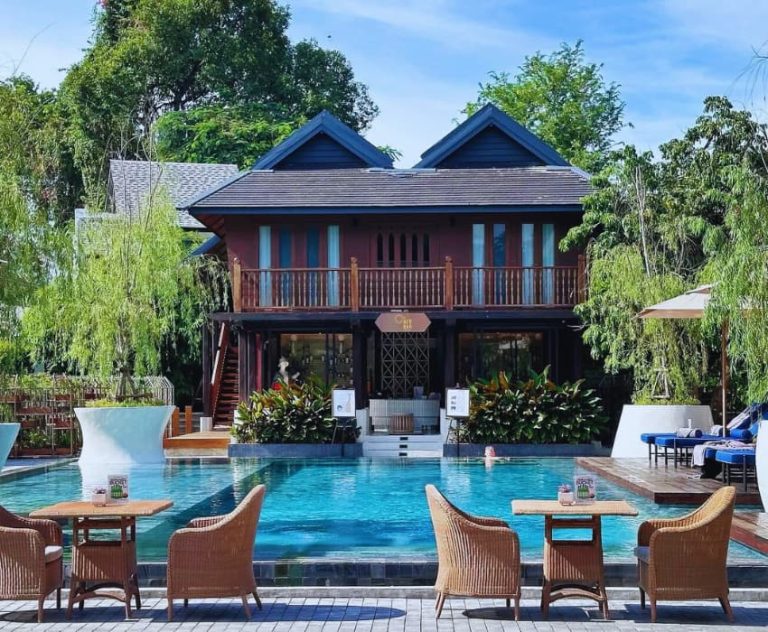
A Huen Thai is typically raised on columns, lifting the main living spaces above ground level. This helps protect the house from seasonal flooding while allowing air to circulate freely beneath it. The shaded space below, known as the tai thun, was used for storage, daily tasks, resting during the heat of the day, or informal gatherings, making it an important extension of the home rather than an afterthought.
Teak plays a central role in traditional construction. Valued for its strength and resistance to humidity, it ages well and lends warmth to interiors. In many older houses, the joinery is so carefully executed that the structure relies on minimal metal fittings. This reflects a modular building approach, where sections of the house can be adjusted, expanded, or even relocated as family needs change.
Roof design is equally purposeful. Steeply pitched roofs allow heavy tropical rain to run off quickly, while wide overhanging eaves shade walls, walkways, and terraces. These features keep interiors cooler and make outdoor spaces comfortable, even under midday sun.
Rather than a single enclosed structure, many Thai houses consist of several separate units linked by a shared terrace. This layout suits extended family living, offering privacy alongside communal space. The terrace acts as the heart of the home, connecting bedrooms, reception areas, and everyday activity.
Gardens and natural elements complete the picture. Courtyards, planting, and water features help cool the surrounding air and soften the boundary between indoors and out. Even in dense urban areas like Bangkok, the best-preserved Thai houses retain a garden-first feel, reinforcing the idea that a home should work in harmony with its environment.
Historic and Traditional Thai Houses in Bangkok
These are among the most rewarding historical Thai houses in Bangkok, each offering a different perspective on Thai architecture, art, and daily life.
-
MR Kukrit Pramoj House
Tucked into the city, the MR Kukrit Pramoj House feels like a secret garden with a story. This is a compound of five teak houses arranged to create a graceful, connected home. It honours M R Kukrit Pramoj, a former Thai Prime Minister and a significant figure in Thai cultural life.
Start with the reception spaces, where you can appreciate the scale of teak beams and the quiet confidence of traditional design. Displays often highlight Thai performing arts, including items connected to classical dance traditions. Outdoors, the gardens provide a soft transition between house and city, showing how Thai homes can feel both protective and open.
-
Jim Thompson House Museum
The Jim Thompson House Museum is one of Bangkok’s most beloved heritage homes, and it is easy to see why. The property blends Thai architectural tradition with a serious collection of Southeast Asian art. The house itself is a carefully arranged sequence of rooms, corridors and levels, each revealing details of craft and proportion.
Beyond the artefacts, pay attention to the way the house sits within its landscaped setting. Paths, planting, and shaded corners create an incredible, composed experience. It is also an excellent place to observe classic Huen Thai features in a highly curated environment, including the relationship between the interior and the outdoor space.
-
Kamthieng House Museum
A short visit can still feel meaningful at the Kamthieng House Museum, a traditional teak farmhouse preserved in the city. The museum focuses on Thai rural life and the rhythms of a household shaped by agriculture and craft.
Expect exhibits that bring domestic history to life, from tools and household objects to interpretive displays that explain traditions across generations. The setting itself is part of the magic, with the wooden structure conveying a sense of rural calm, even amid Bangkok traffic.
-
Suan Pakkad Palace Museum
The Suan Pakkad Palace Museum presents a cluster of traditional houses within a garden compound, creating a layered visit that combines architecture, decorative arts, and archaeology. Several houses are connected by covered walkways, giving you a clear sense of how multiple structures can operate as one home.
A highlight for many visitors is the Lacquer Pavilion, admired for its fine detail and atmosphere. Take your time moving through the compound. This is a place where the quiet parts of Thai architecture, shade, texture, and proportion, speak as loudly as the collections.
-
Baan Silapin
For a more lived-in experience, Baan Silapin, often known as The Artist’s House, offers a glimpse of traditional Bangkok along the canals. Set within the Klong Bang Luang community, the house sits beside the water, surrounded by narrow lanes and local life.
The atmosphere here feels creative and human. Art displays, cultural activity, and occasional performances bring energy to the old wooden structure. It is also a wonderful place to observe how timber homes relate to waterways, and how canalside communities shaped the city’s identity.
-
Bangkok Folk Museum
The Bangkok Folk Museum offers a different kind of house story, focusing on domestic life from the mid-twentieth century. This is not a royal compound or a grand museum built. It is a preserved home that reveals how Bangkok residents lived, decorated their rooms, and blended Thai tradition with outside influences.
This stop is especially valuable if you want contrast. After visiting older teak houses, the Folk Museum helps you see how tastes and lifestyles shifted over time, while still keeping a sense of Thai identity in the home.
On Google Maps
Heritage Stops That Add Architectural Context
Bangkok’s house museums shine brightest when you understand the broader cultural landscape around them. These additional sites add context without diverting attention from Thai houses.
-
Spirit Houses
You will notice spirit houses across Bangkok, small shrines shaped like miniature homes. They reflect a deep cultural respect for place and protection, and they show how the idea of home extends beyond the practical.
If you take photographs, do so with care and discretion. A quick pause to observe is often the most respectful approach. Look closely at the variety of designs, from simple wooden shrines to ornate structures with bright colours and delicate detailing.
-
Kudi Chin and Old Thonburi
Kudi Chin is a riverside area with a distinctive community history, shaped by long-standing cultural exchange. The neighbourhood invites slower exploration, with heritage architecture, local religious sites and a strong sense of continuity.
This is a rewarding companion to a canalside house visit, as it highlights how communities and craftsmanship develop together, especially along the river.
-
Grand Palace Precinct
Bangkok’s royal precinct provides an essential architectural backdrop. While palaces are not traditional houses, they help frame the evolution of Thai building craft, from timber traditions to more formal ceremonial spaces.
If you visit, focus on the artistry and the way Thai aesthetics carry across scales, from household details to state architecture. Even a short look can enrich your understanding of what you later notice in teak homes.
-
Wat Phra Chetuphon and Wat Phra Kaew
These landmark temple sites are included here for one reason: craftsmanship. Temple complexes showcase Thai decorative traditions at their most intricate, from carving and gilding to mural work and sculptural detail.
Approach them as a visual reference library. The patterns and techniques you see here can sharpen your eye when you return to wooden houses and notice subtler forms of the same artistic language.
Visiting Etiquette and Cultural Respect
Heritage houses and cultural sites are welcoming places, and a few small habits help ensure a comfortable experience for everyone.
Dress modestly for sites connected to religion or royal history. In-house museums follow staff guidance on shoes, photography, and room access. Speak quietly indoors and remember that some spaces are preserved with delicate materials.
Most of all, let the pace slow down. These are places designed for shade, conversation and attention to detail. When you take your time, Bangkok’s history feels less like a timeline and more like a lived experience.
Stay Close To Bangkok’s Living Heritage
Historical Thai houses in Bangkok offer something rare in a capital city: the feeling of stepping into a different tempo. Teak structures, gardens, and terraces bring Thai culture into focus through space, texture, and craftsmanship.
After a day of heritage exploring, returning to the comfort of akyra Bangkok 11 Hotel keeps the experience balanced, with the city’s energy on your doorstep and a calm base to reset for the next outing.
Related Articles
- Hidden Gems in Bangkok
- Exploring Bangkok’s Temples
- Museums in Bangkok
- Exploring Bangkok’s Old Buildings
- Explore The Japanese Culture In Bangkok
Prefer an AI Summary?
The akyra Bangkok 11
65 Soi Sukhumvit 11,
Khlong Toei Nuea, Watthana,
Bangkok 10110, Thailand
T: +66 2 853 9225