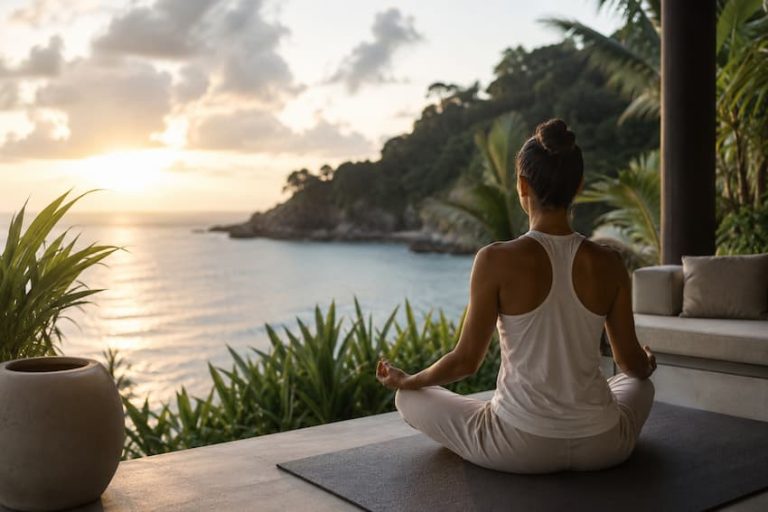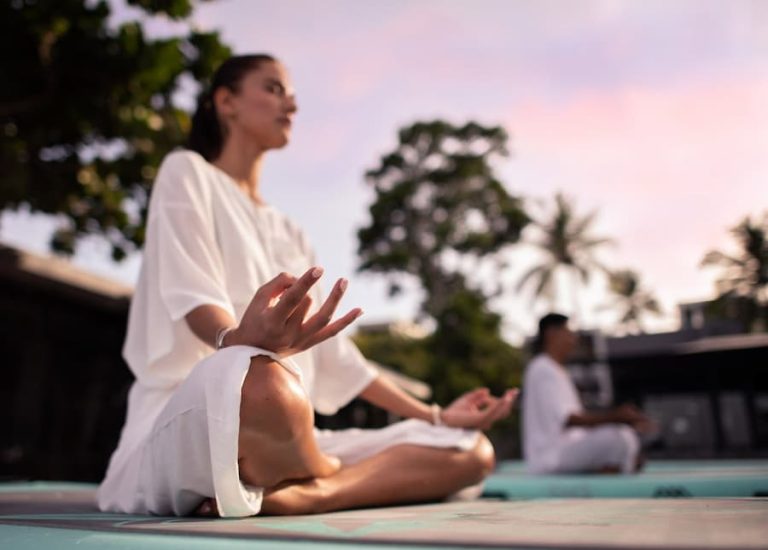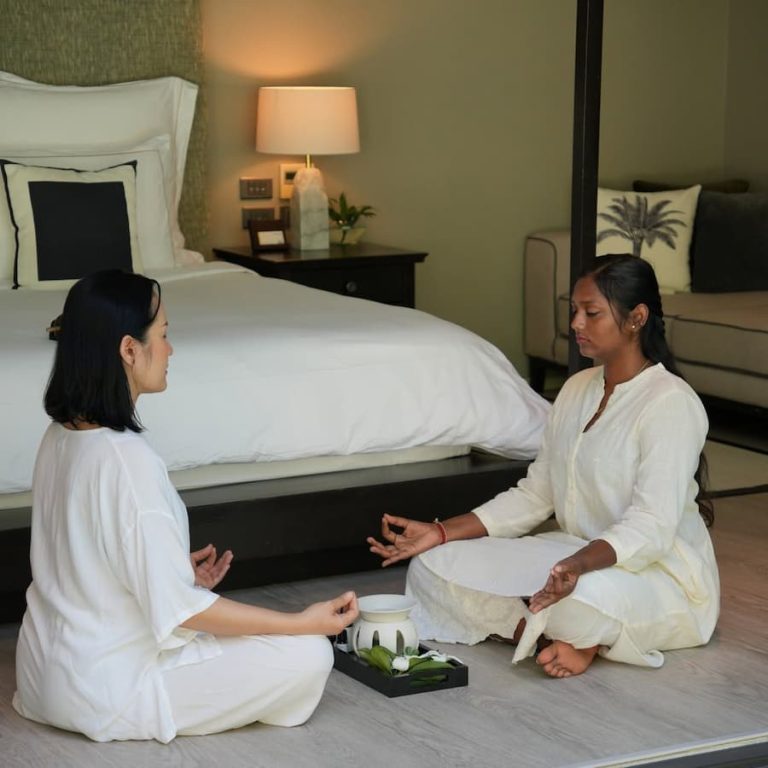

In a world of constant stimulation, the nervous system rarely finds true rest. Sleep becomes fragmented, stress feels normal, and recovery is often postponed rather than prioritised. The Deep Reset Retreat at Aleenta Phuket Resort & Spa reframes this pattern as a structured, science-informed intervention designed to regulate the nervous system and restore sleep.
At the centre of this approach sits flotation therapy, supported by an integrated programme of breathwork, movement, sound, and psychological guidance. Together, these elements create a sustained shift in how the body processes stress and enters rest.
Floatation Therapy
Floatation REST, or Reduced Environmental Stimulation Therapy, involves lying effortlessly in warm, magnesium-rich water within a soundproof, light-free environment. The water is maintained at skin temperature, removing the sensation of a difference between the body and the surroundings. Gravity is neutralised, and sensory input is significantly reduced.
Within minutes, most guests experience a sense of weightlessness. Muscles begin to release, breathing slows naturally, and the mind starts to quiet. The environment is fully controlled by the individual, with the option to adjust the lighting or exit at any time, making the experience accessible even to first-time users.
Neurophysiology and Brainwave Shift
During floatation, the brain reduces activity in regions responsible for processing external stimuli. This allows a transition away from constant alertness into slower, more restorative brainwave states.
Alpha and theta brainwaves, commonly associated with deep relaxation and early sleep stages, become more prominent. These states support reduced mental noise, improved clarity, and a smoother transition into sleep later in the day.
Rather than forcing relaxation, the brain naturally moves towards it when external demands are removed.
Nervous System Downregulation
The modern nervous system often operates in a prolonged state of low-level stress. Floatation interrupts this pattern.
By minimising sensory input, the autonomic nervous system shifts towards parasympathetic dominance. This state supports a slower heart rate, reduced cortisol levels, and activation of the body’s natural repair processes.
Many guests notice a distinct change in their internal baseline after sessions, with a calmer, less reactive state that extends beyond the float environment.
Hormonal and Biochemical Response
Floatation also influences the body’s internal chemistry.
Research has linked sessions with:
- Reduced cortisol, supporting stress recovery
- Increased endorphins, contributing to a sense of ease
- Potential magnesium uptake from Epsom salt, which may assist muscle relaxation and nervous system function
While magnesium absorption continues to be studied, the overall biochemical environment supports deep relaxation and recovery.
Musculoskeletal Release and Physical Reset
The buoyancy created by the high salt concentration allows the body to release physical tension fully.
The spine decompresses naturally, joints are relieved from pressure, and muscles can relax without effort. This often leads to:
- Reduced muscle tightness
- Relief from chronic tension patterns
- Enhanced physical recovery
For many guests, this physical release is the first noticeable shift, followed by deeper mental calm.
Interoception and Internal Awareness
With external distractions removed, attention naturally turns inward. This process, known as interoception, enhances awareness of internal bodily signals such as breath and heartbeat.
This increased awareness supports emotional regulation and nervous system balance. Over time, it can help individuals recognise and respond to stress signals earlier, rather than reacting once they become overwhelming.
Altered States and Anxiety Reduction
Floatation therapy is often associated with altered states of consciousness. Guests may experience changes in time perception or a softening of the sense of physical boundaries.
These shifts are linked to reductions in anxiety. As the usual structure of perception relaxes, the mind often releases habitual tension patterns, allowing a deeper state of calm to emerge without effort.
Default Mode Network and Mental Quiet
When sensory input is reduced, the brain shifts away from constant task-focused thinking. This can quieten activity in networks associated with rumination and repetitive thought patterns.
In practical terms, floatation creates space between thoughts. Instead of trying to control the mind, it allows mental activity to settle naturally.
Evidence On Stress, Sleep and Pain
Across multiple studies, floatation therapy has demonstrated benefits for stress reduction, anxiety, and general wellbeing. A large body of research shows improvements in perceived stress and reductions in physical discomfort.
Sleep quality has also been shown to improve, with some studies reporting fewer disturbances and more sustained rest over time. While it is not a standalone treatment for clinical sleep disorders, it provides strong support for improving overall sleep patterns.
Flotation Experience
A typical float session lasts between 45 and 60 minutes. No prior experience is required.
Guests shower before entering the tank, float effortlessly during the session, and are encouraged to take time afterwards to rest and reorient. The environment is designed for comfort and safety, with continuous filtration and ventilation systems.
There is no expectation to achieve a particular outcome. Some sessions feel deeply meditative, while others are simply restful. Both responses are valuable.
Cumulative Effects
The benefits of floatation therapy often build over repeated sessions.
- First session brings physical relaxation and a sense of novelty
- Second session allows deeper mental stillness and reduced internal dialogue
- Third session often leads to a more profound nervous system reset
This progression is why multiple sessions are included within the retreat structure. Spacing them over several days allows the body to integrate each experience fully.
Post Float Integration
Immediately after a session, the nervous system remains calm and receptive. Mental clarity is often heightened, and emotional awareness may feel more accessible.
This period is ideal for complementary practices such as breathwork, sound therapy, or quiet reflection. The retreat is designed to make use of this window, helping to anchor the effects of floatation into longer-term change.
Integrated Nervous System Support
At the Ayurah Wellness Retreat, flotation therapy is part of a broader system that amplifies its impact.
Daily guided sessions help maintain a balance between activation and rest, supporting improved heart rate variability and deeper relaxation.
- Sound Therapy
Gong baths and singing bowls encourage slower brainwave states, extending the calm achieved during floatation.
- Gentle Movement
Yoga, tai chi, and somatic practices release tension while maintaining nervous system balance.
- Nature Immersion
The tropical setting provides a calming sensory backdrop that reinforces recovery without overstimulation.
- Psychological Integration
Longer programmes include structured reflection to support emotional processing and cognitive clarity.
Structured Retreat Flow
The Deep Reset Retreat is designed with a deliberate rhythm.
Arrival begins with grounding and an initial float session to initiate rest. Subsequent days alternate between supportive practices and deeper interventions. A mid-retreat float deepens the reset, while the final session helps stabilise the new baseline before departure.
This pacing allows the nervous system to gradually and sustainably recalibrate.
Sleep Enhancement
Sleep is approached as the natural outcome of a balanced system.
By reducing stress, stabilising daily rhythms, and supporting parasympathetic activation, the retreat creates the conditions for deeper, more consistent sleep. Evening rituals and a calming environment further reinforce this process.
Guests commonly report improved sleep depth, fewer awakenings, and a more restorative quality of rest.
Suitability
Floatation therapy is suitable for a wide range of individuals, particularly those experiencing stress, burnout, or disrupted sleep.
Those with severe claustrophobia may require adjustments, and individuals with certain medical conditions should seek professional advice before participating. The retreat team guides to ensure a safe and comfortable experience for each guest.
Programme Options
The Deep Reset Retreat offers flexible durations to match different needs.
Three nights provide a focused introduction to relaxation and sleep support. Five nights allow for deeper nervous system regulation. Seven nights offer a more comprehensive immersion with extended therapeutic input and integration.
Each programme includes personalised consultations, flotation sessions, guided practices, and dedicated support.
Outcomes
With repeated exposure to sensory reduction and supportive therapies, many guests experience meaningful changes.
Sleep becomes more stable and restorative. Anxiety reduces, and emotional responses feel more balanced. Physical tension eases, and mental clarity improves.
Importantly, guests leave with practical tools and a deeper awareness of their own nervous system, supporting continued wellbeing beyond the retreat.
Your Retreat Path To Recovery
The Deep Reset Retreat at Aleenta Phuket Resort & Spa offers a comprehensive, evidence-aligned approach to stress recovery and sleep enhancement.
Flotation therapy provides the core reset. Breath, sound, movement, and reflection ensure that this reset is integrated and sustained.
For those seeking meaningful, lasting change in how they rest and recover, this approach offers a clear and credible path towards balance and resilience.
Related Articles
- Floatation Therapy for Mind and Body Renewal
- Deep Rest, Reset and Holistic Recovery Retreats
- Flotation Therapy For 60 Minutes Resets The Whole Week
- Luxury Sleep Retreats In Thailand For Rest and Recovery
- Experience Floatation Therapy at Ayurah Spa in Phang Nga
Prefer an AI Summary?
Aleenta Phuket
Phang Nga Resort & Spa
Phang Nga Resort & Spa
33 Moo 5, Khok Kloi,
Takua Thung, Phang Nga
82140 Thailand
T: +66 (0) 76 580 333