
Chronic pain is one of the most challenging health conditions a person can live with. It affects far more than the area of the body that hurts. Over time, it can influence sleep, movement, confidence, relationships, mood and the simple decisions that shape everyday life.
For many people, the journey is a long one. Physiotherapy, medication, injections, surgery, exercise programmes and complementary therapies may all become part of the picture. Some approaches help. Others provide only temporary relief. Most people living with chronic pain eventually discover that managing the condition requires more than treating a single body part.
The Pain Management & Physical Recovery Retreat at AYURAH Wellness in Phuket was created with this reality in mind. It is not presented as a cure, and it does not replace medical care. Instead, it offers a structured environment where guests can focus on the aspects of pain management that are often difficult to prioritise at home: nervous system regulation, restorative movement, recovery, sleep, mindfulness, nutrition and education.
Set within the peaceful surroundings of Aleenta Phuket, the retreat provides the time, support, and guidance needed to develop practical strategies to improve quality of life alongside existing medical treatment.
A Different Understanding of Chronic Pain
Modern understanding of chronic pain has evolved significantly over the past two decades.
Traditionally, pain was viewed primarily as a direct response to injury or tissue damage. While this remains true for acute pain, researchers now recognise that persistent pain often involves changes within the nervous system itself.
When pain continues long after tissues have healed, the body’s alarm system can become increasingly sensitive. The brain and central nervous system may begin amplifying signals that would normally be filtered or interpreted differently. As a result, pain can persist even when scans, tests or physical examinations do not fully explain the intensity of symptoms.
This does not mean the pain is imagined. It is entirely real. It simply reflects the complex relationship between the body, brain and nervous system.
This understanding has transformed the way many clinicians approach pain management. Rather than focusing solely on the original injury, effective care often includes strategies that help calm an overprotective nervous system and improve the body’s overall resilience.
Approaches such as mindfulness-based interventions, graded movement, breathwork, relaxation techniques and pain education have gained growing support within modern pain management programmes. In the United Kingdom, non-pharmacological approaches are now recommended within NICE guidance for chronic primary pain because of their potential to improve wellbeing, function and quality of life.
These principles form the foundation of the AYURAH Pain Management & Physical Recovery Retreat.
Living Beyond the Pain Cycle
One of the most difficult aspects of chronic pain is the cycle it can create.
Pain often leads to reduced activity. Reduced activity can contribute to stiffness, weakness and reduced confidence in movement. Poor sleep frequently follows. Stress levels increase. The nervous system remains on high alert. Over time, each of these factors can influence pain perception.
Many guests arrive feeling trapped within this cycle.
The retreat experience is designed to interrupt that pattern by creating a daily rhythm that supports recovery rather than constantly demanding adaptation. Instead of pushing through symptoms, guests are encouraged to work with their bodies through carefully structured activities that promote regulation, movement and restoration.
This shift in focus can be transformative. Rather than spending every day reacting to pain, guests begin to develop habits that support pain management and resilience.
Guidance Led Support at AYURAH
Every AYURAH retreat is built around the Five Companions of Health: Move, Rest, Detox, Enrich and Guidance.
Within the Pain Management & Physical Recovery Retreat, Guidance serves as the primary focus.
Guidance refers to the conscious process of understanding the body, developing self-awareness, and building practical tools that support wellbeing. For guests living with chronic pain, this can be particularly valuable because understanding pain often reduces the fear, uncertainty and frustration that accompany it.
The retreat begins with a personalised wellness consultation designed to explore each guest’s health history, lifestyle and current challenges. Body composition analysis helps establish a broader understanding of physical health, while a dedicated retreat host provides support throughout the stay.
Mindfulness-based pain awareness practices are incorporated to help guests recognise patterns within their own experience. Rather than fighting pain or ignoring it, these techniques encourage a calmer, more informed relationship with symptoms.
Alongside Guidance, the remaining Companions work together to create a comprehensive support system.
Move encourages safe, restorative activity.
Rest promotes recovery through therapeutic practices, relaxation and improved sleep.
Detox focuses on restorative spa experiences and reducing physical stress.
Enrich supports wellbeing through nutrient-dense, plant-forward wellness cuisine inspired by FX Mayr principles.
Together, these elements create a structured framework that supports the whole person rather than focusing solely on the symptom.
The Role of Gentle Movement
Movement can feel intimidating for people living with chronic pain.
Many guests have experienced setbacks after attempting exercise programmes that were either too intensive or poorly suited to their condition. This can create understandable fear around physical activity.
The retreat adopts a different approach.
Movement sessions are carefully selected and adapted according to individual needs. Options may include Yoga, Tai Chi, gentle fitness training and modified Muay Thai sessions where appropriate.
The emphasis is on gradual progression rather than performance.
Gentle movement helps maintain mobility, supports circulation, improves body awareness and rebuilds confidence in physical capability. Importantly, it also provides positive movement experiences that help counter the fear avoidance behaviours commonly associated with persistent pain.
For many guests, learning that movement can feel supportive rather than threatening becomes one of the most valuable lessons of the retreat.
Restoring the Nervous System
Chronic pain places continuous demands on the nervous system.
Even when a person appears physically at rest, their body may remain in a heightened state of vigilance. This can affect stress hormones, sleep quality, energy levels and emotional wellbeing.
For this reason, nervous system regulation is a central component of the AYURAH experience.
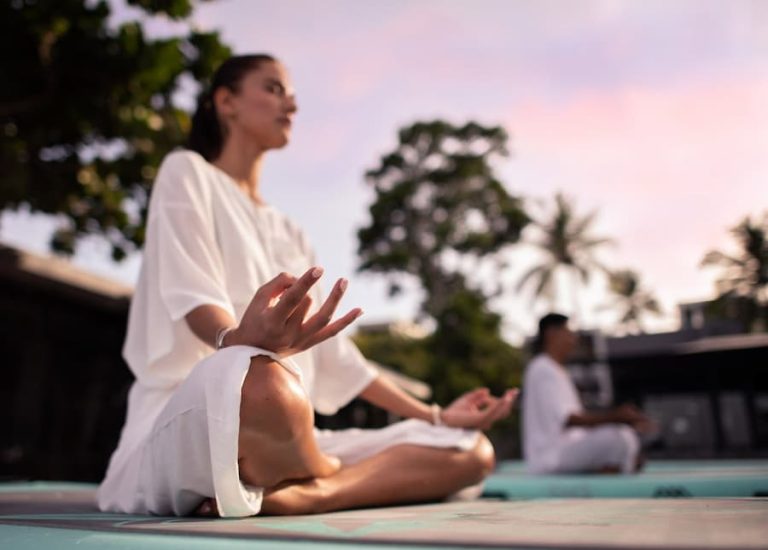
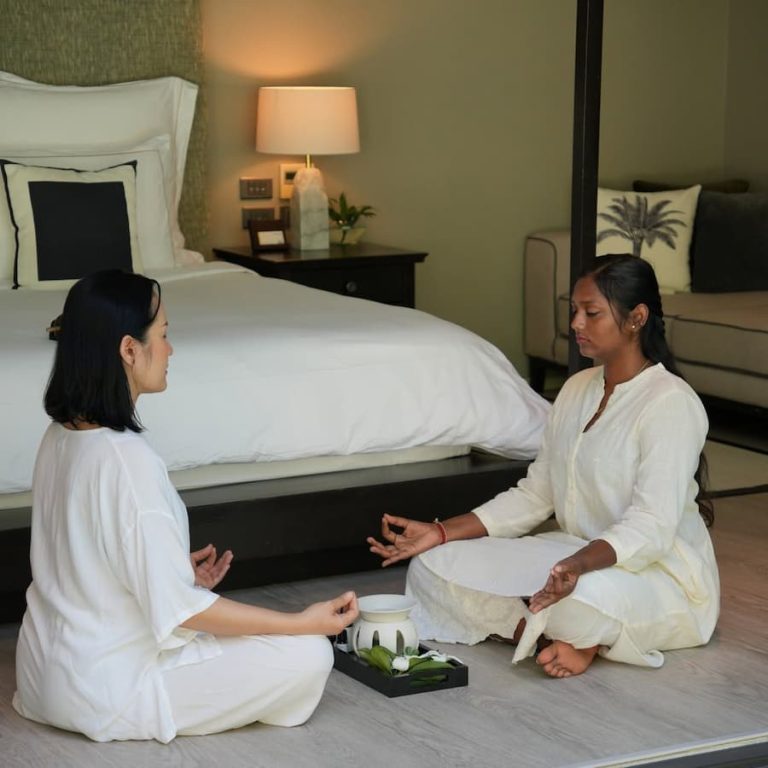
Breathwork, meditation, guided relaxation and mindfulness practices are integrated throughout the retreat. These sessions encourage the body to shift away from a persistent stress response and towards a more restorative state.
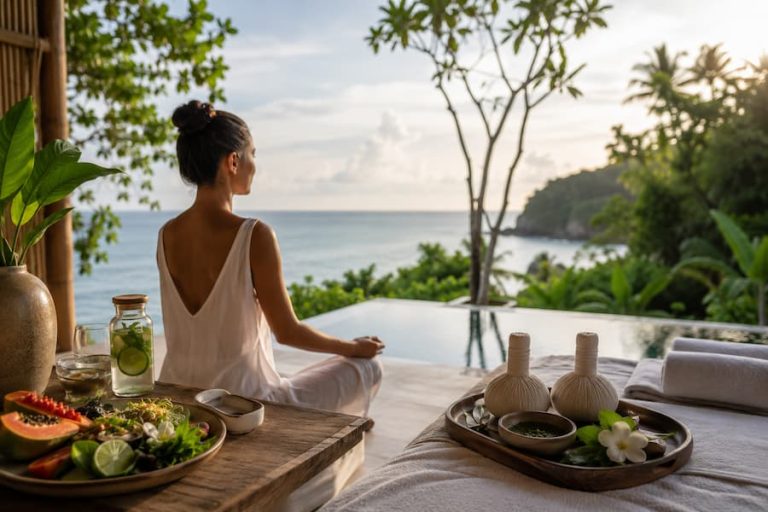
The oceanfront setting itself supports this process. Removed from daily pressures and routines, guests often find it easier to focus on recovery without the constant demands of work, commuting and household responsibilities.
Many participants report that the greatest change they notice is not necessarily a dramatic reduction in pain, but an increased sense of calm, control and resilience when pain occurs.
Sleep as a Foundation for Recovery
Sleep and chronic pain share a complex relationship.
Pain can disrupt sleep, while poor sleep can increase pain sensitivity. Over time, this creates another reinforcing cycle that can be difficult to break.
Improving sleep therefore becomes an important goal of the retreat.
The daily schedule naturally supports healthier sleep patterns through consistent activity, relaxation practices, nourishing meals and reduced exposure to everyday stressors.
Evening wellness dining, calming rituals and the AYURAH sleep turndown experience help create conditions that encourage deeper rest.
For many guests, improved sleep becomes one of the most noticeable outcomes of the retreat. Better sleep often influences energy, mood, cognitive function and pain regulation, creating benefits that extend well beyond the stay itself.
Nourishment and Inflammation Support
Nutrition is another important component of living well with chronic pain.
While food alone cannot eliminate persistent pain, dietary habits can influence overall health, energy levels and inflammatory processes within the body.
AYURAH’s FX Mayr-inspired wellness cuisine focuses on whole foods, plant-forward nutrition and digestive wellbeing. Meals are carefully designed to support gut health, provide sustained energy and reduce unnecessary dietary stress.
The emphasis is not on restriction or short-term detoxification. Instead, guests are introduced to a sustainable approach to eating that supports wellbeing.
Many guests leave with a clearer understanding of how nutrition fits into their overall pain management strategy.
A Typical Day on the Retreat
Each day follows a therapeutic rhythm designed to support recovery.
Mornings often begin with gentle movement selected according to individual capability and comfort. Following breakfast, guests may attend wellness consultations, mindfulness sessions or restorative spa treatments.
Lunch is nutritious, balanced and intentionally unhurried.
Afternoons typically combine treatments with guided relaxation practices, breathing exercises or mindfulness sessions. Guests staying for seven nights may also experience floatation therapy as part of their programme.
Evenings are calm and restorative, centred around wellness dining and opportunities for reflection before sleep.
The structure is purposeful but never rushed, allowing guests to recover physically while developing habits that can be integrated into everyday life.
Five Night and Seven Night Programmes
The Pain Management & Physical Recovery Retreat is available in both five-night and seven-night formats.
The five-night programme provides an effective introduction to the retreat’s core principles. Guests have sufficient time to experience the movement programme, treatments, mindfulness practices and restorative daily rhythm.
The seven-night option allows for deeper immersion. Additional time supports greater adaptation to the routine, more opportunities for recovery and the inclusion of floatation therapy within the programme.
For guests managing long-standing or complex pain conditions, the longer stay often provides a more meaningful opportunity to establish new habits and strategies that can continue after returning home.
Working Alongside Medical Care
The retreat is designed for adults living with chronic pain conditions, including persistent back pain, fibromyalgia, post-surgical discomfort and ongoing musculoskeletal pain.
It is intended to complement professional medical care rather than replace it.
Guests are encouraged to continue working with their physicians, physiotherapists and healthcare teams before, during and after their retreat. Medications should only ever be adjusted under appropriate medical supervision.
Where appropriate, the AYURAH wellness team can work alongside existing healthcare providers to ensure the retreat supports a guest’s broader care plan.
For individuals experiencing acute pain, recent injury or symptoms that have not yet been medically assessed, professional clinical evaluation should always be sought before attending a pain-focused wellness programme.
A Structured Environment for Recovery
Living with chronic pain often means carrying an invisible burden every day. It can influence physical health, emotional wellbeing and the ability to fully participate in life.
The Pain Management & Physical Recovery Retreat at Aleenta Phuket provides a dedicated space to focus on frequently overlooked aspects of recovery. Through restorative movement, nervous system regulation, mindfulness, treatments, wellness nutrition and personalised guidance, guests are supported in developing practical strategies for living well with chronic pain.
The objective is not to promise a cure. It is to provide the knowledge, environment and support that can help people move towards greater comfort, confidence and quality of life while continuing their existing medical care.
For many guests, that shift alone can make a meaningful difference long after the retreat has ended.
Related Articles
- Ayurah Wellness Retreats That Support Mind and Body Renewal
- Pain Management Retreat Applying Pain Neuroscience in Wellness
- Incorporating Movement into Wellness Retreats for Chronic Pain Management
- A Journey to Pain Relief with CBD Therapy Focused Wellness Retreat
- Flotation Therapy to Reset The Nervous System and Sleep Better
Prefer an AI Summary?
Aleenta Phuket
Phang Nga Resort & Spa
Phang Nga Resort & Spa
33 Moo 5, Khok Kloi,
Takua Thung, Phang Nga
82140 Thailand
T: +66 (0) 76 580 333