For many people living with chronic pain, movement becomes emotionally complicated. Exercise is often recommended as part of recovery, yet the experience of pain flares after activity can create hesitation, frustration, and fear around movement itself.
The issue is rarely movement alone. More often, it is the intensity, pacing, and expectation attached to it. Chronic pain responds differently from acute injury, which means the body requires a more supportive and carefully calibrated approach.
At AYURAH Wellness Phuket, movement is integrated into wellness retreats as a restorative tool rather than a performance-based challenge. Gentle, consistent practices help guests rebuild confidence in their bodies while supporting nervous system regulation, mobility, and recovery.
Chronic Pain and Nervous System Sensitivity
Chronic pain changes the way the nervous system interprets sensation. Over time, the body can become increasingly protective, reacting strongly to movement or stimuli that previously felt manageable.
This explains why many people experience setbacks after attempting to return to vigorous exercise too quickly. Activities that once felt energising may suddenly create exhaustion, inflammation, or prolonged discomfort.
The nervous system begins operating from a heightened state of alertness. In this state, aggressive training or pushing through discomfort often reinforces the perception of threat rather than improving resilience.
A more sustainable path focuses on safety, consistency, and gradual progression.
Gentle Movement
Modern pain management increasingly supports the principle of graded movement. Rather than forcing the body to adapt through intensity, movement is introduced at a level the nervous system can comfortably tolerate.
Over time, this creates a different relationship with physical activity. The body begins to associate movement with safety rather than stress. Capacity returns slowly and steadily through repetition and trust.
This approach forms the foundation of many chronic pain programmes, including movement therapies such as yoga and Tai Chi, which consistently demonstrate benefits for mobility, sleep quality, stress regulation, and overall wellbeing.
Movement as Part of Holistic Recovery
Movement within a wellness retreat setting offers advantages that are difficult to recreate in daily life. The environment itself reduces stimulation, allowing the body to soften more easily. Structured rest periods, treatments, nourishing food, and mindful routines all work together to support recovery.
At Ayurah, movement is never isolated from the wider healing process. It becomes one element within an integrated system designed to calm the nervous system and reduce physical strain.
Gentle movement can support chronic pain management in several ways:
- Improving circulation and lymphatic flow
- Maintaining joint mobility and muscular function
- Reducing stiffness associated with inactivity
- Supporting posture and breathing patterns
- Improving sleep quality
- Encouraging nervous system regulation
- Rebuilding trust in the body’s capacity to move comfortably
Importantly, these benefits do not require high-intensity exercise. Many guests experience greater improvement from short, sustainable sessions than from demanding workouts that leave the body depleted.
Supportive Movement Practices at Ayurah Phuket
The Pain Management Retreat at Ayurah Phuket incorporates movement in a way that respects each guest’s current physical capacity. Sessions are personalised and adapted according to energy levels, mobility, and sensitivity on any given day.
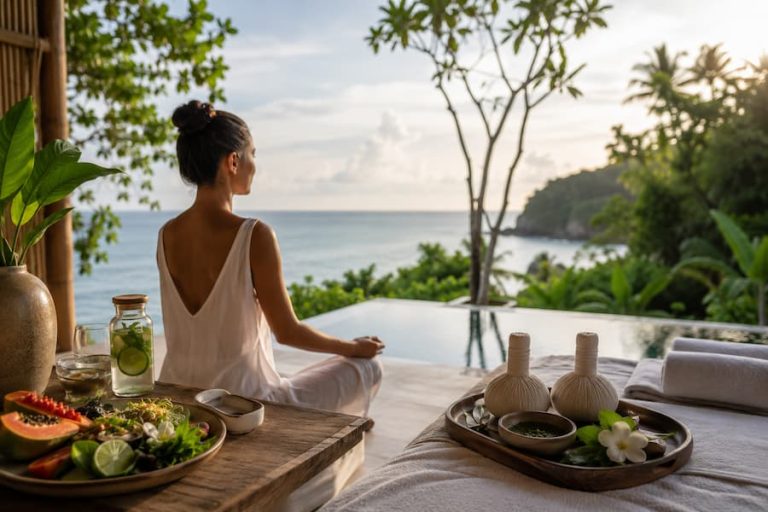
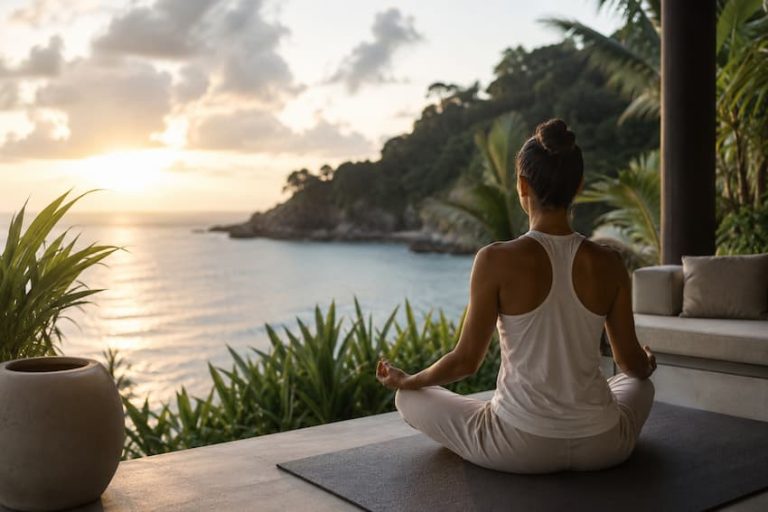
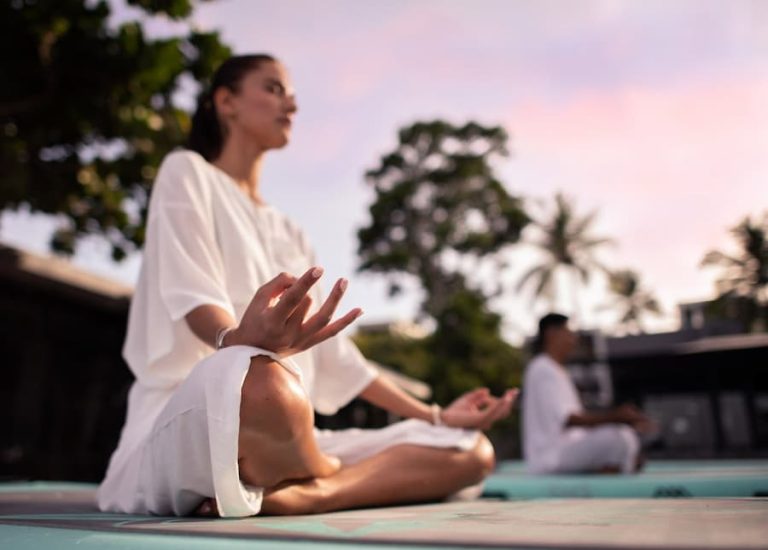
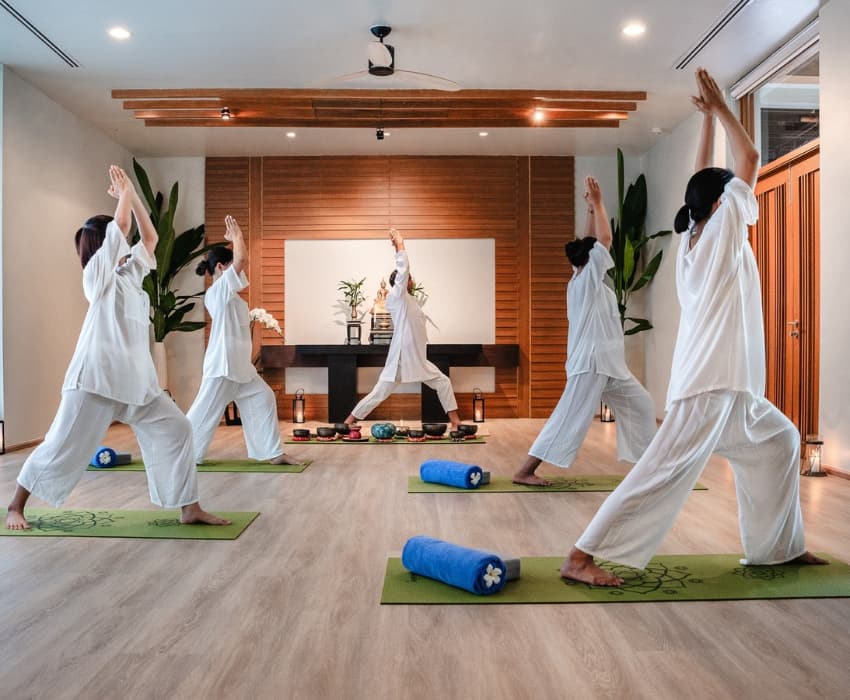
Morning practices often begin with restorative modalities such as yoga or Tai Chi. These approaches encourage gentle mobilisation while improving breathing patterns, balance, and body awareness. Slow, controlled movement helps calm the nervous system while reducing muscular guarding.
For guests with greater physical resilience, carefully adapted fitness sessions or modified Muay Thai inspired movement may also be introduced. The emphasis remains on support rather than intensity.
Afternoons frequently include softer movement experiences such as guided walking or restorative yoga. The rhythm of the retreat intentionally alternates activity with recovery, allowing the body time to absorb the benefits without overload.
Recovery Between Movement
One of the most overlooked aspects of chronic pain management is recovery itself. Movement is beneficial, but the nervous system also requires adequate space to regulate afterwards.
Ayurah’s retreat structure addresses this through therapies and rituals designed to deepen relaxation and improve physical recovery.
Guests may experience:
- Therapeutic spa treatments
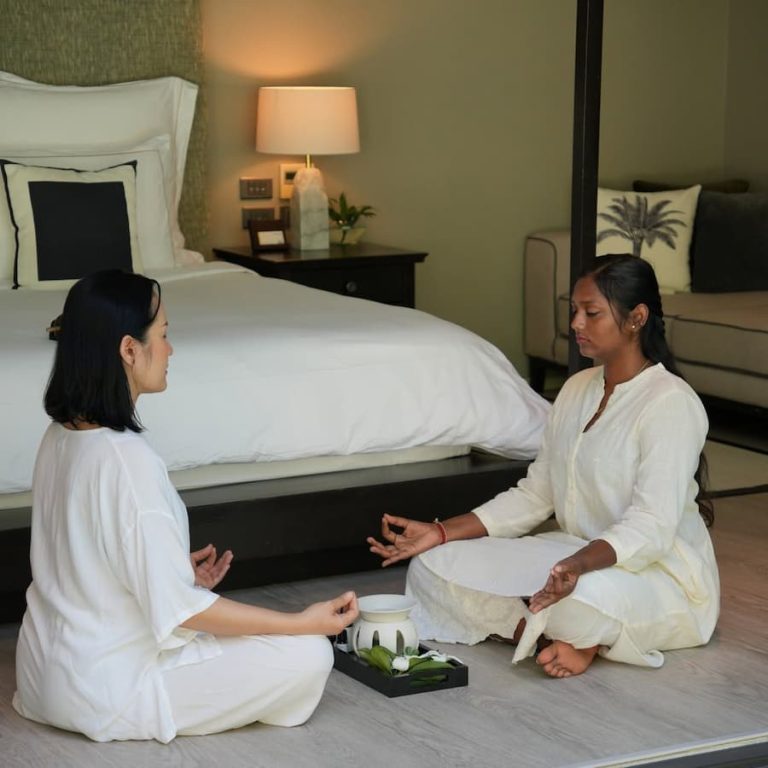
- Breathwork and mindfulness sessions
- Floatation therapy
- Sleep supporting evening rituals
- Nutrient focused wellness cuisine inspired by FX Mayr principles
- Stress reducing sound and sensory therapies
Together, these elements create conditions that support restoration across multiple systems simultaneously. By the third or fourth day, many guests notice improvements not only in pain levels but also in sleep, mental clarity, mood, and energy.
Confidence Around Movement
Chronic pain often affects emotional wellbeing alongside physical comfort. Many individuals begin avoiding movement entirely after repeated setbacks, creating anxiety around exercise and physical activity.
A supportive retreat environment helps rebuild confidence gradually. Guided sessions provide reassurance, while personalised pacing reduces fear of overexertion.
This emotional component is significant. Feeling safe while moving can be just as important as the movement itself. Once the nervous system begins recognising activity as non-threatening, the body frequently responds with greater ease and flexibility.
A Sustainable Starting Point
For guests considering a wellness retreat for chronic pain management, the focus should never be on achieving rapid transformation. Lasting change usually begins with small, manageable steps repeated consistently.
Even simple practices can create meaningful shifts over time. Regularly performing a short daily walk, gentle stretching, mindful breathing, or restorative yoga sessions can begin to improve mobility and nervous system resilience.
Within a retreat environment, these principles are amplified through expert guidance, therapeutic care, and uninterrupted space for recovery.
A Restorative Approach to Chronic Pain
The Pain Management Retreat at AYURAH Phuket is built around the understanding that chronic pain requires compassion, patience, and balance rather than force.
Movement is incorporated not to challenge the body, but to support it. Through carefully paced practices, restorative therapies, and holistic care, guests have the opportunity to reconnect with movement in a calmer, more sustainable way.
Over time, this gentle approach can help restore confidence, improve daily function, and create a stronger foundation for wellbeing.
Related Articles
- Blue Zones Daily Rhythm In a Wellness Retreat
- A Journey to Pain Relief with CBD Therapy Focused Wellness Retreat
- Flotation Therapy to Reset The Nervous System and Sleep Better
- Pain Management Retreat Applying Pain Neuroscience in Wellness
- Wellness Retreat Support for Living with Chronic Pain
Prefer an AI Summary?
Aleenta Phuket
Phang Nga Resort & Spa
Phang Nga Resort & Spa
33 Moo 5, Khok Kloi,
Takua Thung, Phang Nga
82140 Thailand
T: +66 (0) 76 580 333