A strong immune system is about far more than fighting off the latest virus. It shapes how you feel every day, from your energy levels and mood to how quickly you bounce back from stress, travel, or a busy spell at work.
Over the past few years, many of us have become more aware of the impact of respiratory illness, chronic inflammation and underlying conditions such as asthma and autoimmune disorders. At the same time, nutrition, gut health and lifestyle have moved centre stage. Food can really help your body defend itself more effectively, reduce unnecessary inflammation, and support recovery.
Aleenta Phuket – Phang Nga Resort and Spa brings medical insight together with spa rituals, nutrition and restorative movement. Whether you are reading at home or planning a wellness retreat, you can use this article as a gentle prompt to rethink the way you eat and care for your immune system.
Immune System and Inflammation
Your immune system is a network that includes white blood cells, the lymphatic system, antibodies, the gut lining and barriers such as your skin and the mucous membranes of your nose and throat. Together they recognise and deal with bacteria, viruses and other foreign substances, and clear away damaged cells.
Inflammation is one of the main tools your immune system uses. When you cut your finger or catch a cold, inflammation brings extra blood flow, immune cells and nutrients to the area. This short-term response is helpful and usually resolves as healing progresses.
Problems arise when inflammation becomes long-term. Instead of switching off, immune activity stays slightly raised for months or even years. This can happen with ongoing infections, unmanaged stress, smoking, very processed diets or repeated exposure to irritants. Over time, this low-level inflammation is linked with conditions such as heart disease, type 2 diabetes, some cancers and autoimmune illness.
In autoimmune conditions, the immune system misinterprets the body’s own tissues as foreign. It may attack joints in rheumatoid arthritis, skin in eczema or multiple areas in lupus. Many people with these conditions notice that flares are influenced by stress, sleep and what they eat. Food choices will not replace medical treatment, yet they can become a powerful part of day-to-day management.
A Weakened Immune System
A weakened or overworked immune system does not always present in dramatic ways. Often, the signs are subtle. You might notice that you catch every cold that passes through the office, or that small cuts take longer than usual to heal. Some people experience constant tiredness or that “run down” feeling. Others notice bloating, indigestion, or irregular bowel habits because the gut is so closely linked to immunity.
Asthma is a clear example of inflammation and immune imbalance affecting the airways. The lining of the airways becomes irritated and swollen, and breathing feels harder. Infection with certain viruses can create very similar symptoms. Supporting the immune system through lifestyle and nutrition will not remove the need for prescribed medication; however, it can help the body cope better with everyday demands.
Modern life does not make it easy for the immune system. Long working hours, irregular sleep, sugary snacks and a lack of time outdoors can all chip away at resilience. The good news is that small steps, repeated consistently, can make a real difference over time.
Inflammation, Diet and Immune Health
Food is one of the most direct ways you influence inflammation every single day. Some foods promote higher levels of inflammation. Others nudge it gently in a calmer direction.
Highly processed products that contain refined sugar, white flour, trans fats, and many additives tend to increase inflammation. Think of fizzy drinks, sweets, deep-fried fast food, processed meats and many snacks that come in crinkly packets. They are convenient and often comforting in the moment, but if they form the backbone of your diet, your immune system may struggle.
On the other hand, meals rich in vegetables, fruit, herbs, spices, beans, lentils, whole grains, nuts, seeds and lean proteins supply vitamins, minerals, fibre, healthy fats and plant compounds that support immune cells and reduce oxidative stress. Nutrients such as vitamins C, D, and E, zinc, selenium, and omega-3 fats are beneficial. You do not need to count every gram; simply building more of these foods into your routine already moves you in a supportive direction.
Hydration
Before looking at specific foods, it is worth pausing on water. Your body is mostly water, and your blood is almost entirely water-based. Every immune cell travels in the blood. Every nutrient you eat needs water to reach your tissues. Waste products rely on water to be excreted from the body efficiently.
When you do not drink enough, your body quietly prioritises. Water is reserved for essential cell processes, while other functions are put on the back burner. You might notice headaches, sluggish digestion, dry skin, tiredness or a general feeling of heaviness. Over time, dehydration can place extra pressure on the heart, kidneys and joints.
Well-hydrated blood flows more easily. Digestion works more smoothly, body temperature is more stable, joints feel more comfortable, and skin looks fresher. Saliva and mucus are better at trapping and washing away germs that enter through the mouth and nose. All of this helps your natural defence system work more effectively.
As a simple guide is to aim for around eight glasses of water a day. This will vary with your size, activity levels and climate. In hot weather, during intense exercise or when you have a fever, vomiting or diarrhoea, your needs increase. Water, herbal tea and fruit-infused water are all helpful choices. Coffee and alcohol do not count towards your fluid intake in the same way because they can have a dehydrating effect.
At Aleenta Phuket, guests are gently nudged towards better hydration, with refreshing water and herbal teas offered in spa areas and during wellness consultations. A few days of paying attention to this simple habit can be surprisingly eye-opening.
Shopping For Immune Friendly Foods
Standing in a supermarket aisle can feel overwhelming, yet you have more control than you might think. When you focus on whole foods, you automatically crowd out many less helpful options.
Fresh vegetables and fruit, lean fish and poultry, eggs, beans, lentils, wholegrain rice, oats, nuts, seeds and herbs create the foundation of an immune-friendly kitchen. These ingredients tend to be found around the edges of the supermarket rather than in the central aisles. If most items in your basket once grew in soil, swam in the sea or walked on land, you are already making good progress.
Labels can offer helpful clues. Short ingredient lists that you recognise are usually better choices than very long lists full of numbers and terms you rarely use in everyday life. Watching for added sugars in breakfast cereals, yoghurts, sauces and drinks is particularly important, as sugar can disrupt blood sugar balance and promote inflammation when taken in excess.
Eating out does not have to undo your good work. You can look for menus that highlight grilled fish or chicken, broths, salads, steamed vegetables, and dishes flavoured with herbs and spices rather than rich, creamy sauces. At Aleenta Phuket Spa, chefs work closely with Ayurah Wellness to design dishes that feel indulgent yet align with health goals, offering ideas to take home.
| Focus Area | Foods Or Actions | Nutrients Or Role | Immune And Health Benefits | Tips |
|---|---|---|---|---|
| Whole Food Focus | Fresh vegetables and fruit, fish, poultry, eggs, beans, lentils, whole grains, nuts, seeds, herbs | Vitamins, minerals, antioxidants, fibre, healthy fats, quality protein | Supports immune cell function, reduces oxidative stress, steadies energy and appetite | Fill most of the trolley from the fresh section and whole food shelves rather than processed aisles |
| Smart Label Reading | Everyday packaged items such as yoghurt, cereal, sauces and snacks | Reduced added sugar and artificial ingredients, more natural components | Helps limit foods that drive inflammation and blood sugar spikes | Choose short ingredient lists, keep added sugar and salt in check, avoid artificial trans fats |
| Hydration Support | Still water, sparkling water, herbal teas, fruit-infused water | Fluids for circulation, nutrient transport and waste removal | Supports mucus membranes, joint comfort and efficient immune responses | Keep reusable bottles at home and work and flavour water with citrus or herbs if preferred |
| Restaurant Choices | Grilled fish or poultry, broths, salads, steamed vegetables, stir fries with herbs and spices | Balanced meals with lean protein, fibre, healthy fats and plant compounds | Reduces reliance on rich sauces and deep-fried dishes that stress the system | Look for menus that highlight fresh produce, simple cooking methods and lighter sauces |
Foods That Boost The Immune System
You do not need exotic ingredients to support your immune system. Many of the most helpful choices are simple items you can find in any decent supermarket or local market.
Immune Supporting Vegetables
Leafy greens such as spinach provide vitamins A, C and K, plant-based omega-3s 3s and a wide range of phytonutrients. They support immune cell development and reduce oxidative damage. Spinach is particularly powerful when enjoyed raw in salads or lightly wilted so that the vibrant green colour remains.
Broccoli and other cruciferous vegetables such as cabbage and cauliflower contain vitamins A, C and E, along with fibre and natural compounds that support detoxification pathways in the liver. Light steaming tends to preserve more of these nutrients than boiling. If the cooking water turns bright green, many vitamins have been left behind in the pan.
Mushrooms have a long history in Eastern traditions for supporting resilience. Certain varieties contain beta-glucans and other compounds that appear to interact with immune cell receptors. You can enjoy a variety of mushrooms in stir-fries, soups, and omelettes as part of your weekly routine.
Garlic deserves a special mention. When garlic is chopped, crushed or chewed, it forms allicin, a sulphur compound linked with antimicrobial and immune-supporting effects. To make the most of this, chop or crush the garlic and let it sit for a few minutes before cooking.
Vitamin C Rich Fruit
Vitamin C helps immune cells respond to infection and supports collagen formation for skin, blood vessels and connective tissue. It also acts as an antioxidant.
Citrus fruits such as oranges, mandarins, lemons, and limes are a classic source. Eating the whole fruit provides vitamin C and fibre, which help manage blood sugar levels. Grapefruit also contains helpful plant compounds, although it can interact with some medicines, so people on medication should follow medical advice.
Tropical options such as papaya and kiwi are naturally rich in vitamin C, too. Papaya also contains a digestive enzyme that can ease protein digestion. Kiwi fruit packs an impressive amount of vitamin C, vitamin K and potassium into a small, convenient portion.
Protein For Immune Strength
Protein is required to build and repair every tissue in the body, including immune cells and antibodies.
Eggs are a practical source of protein, vitamin D, vitamin E, zinc and selenium. An omelette with vegetables at breakfast gives a gentle but steady supply of energy and nutrients.
Poultry such as chicken and turkey provides lean protein and B vitamins. Chicken soup has been used for generations as a comfort meal during illness. Slow-cooking chicken bones and cartilage creates a rich stock rich in gelatine and minerals that support the gut lining.
Fish such as salmon and tuna provide protein and omega-3 fatty acids, which help manage inflammation. Many people also rely on fish as a key source of vitamin D. Seafood such as crab, oysters, lobster and mussels is particularly rich in zinc, which helps immune cells recognise and respond to threats.
Nuts and Seeds
Nuts and seeds are compact, portable and satisfying. They carry a wide range of nutrients that assist the immune system, and they help stabilise blood sugar between meals.
Brazil nuts are an outstanding source of selenium. Even a single Brazil nut can provide a meaningful amount. Selenium supports antioxidant enzymes that protect cells from oxidative stress.
Almonds provide vitamin E and healthy fats. Vitamin E is another antioxidant nutrient that helps maintain the integrity of cell membranes, including immune cells.
Cashews and pistachios provide zinc and B vitamins and can be helpful for people whose immune systems need extra support. Walnuts contain omega-3 fats and copper, which play a role in immune and nervous system function.
Sunflower and pumpkin seeds provide magnesium, zinc, iron, vitamin E, and plant-based omega-3 fats. Sprinkling them over salads, soups, or breakfast bowls is an easy way to increase the nutrient density of your meals without any fuss.
| Food Group | Examples | Nutrients | Immune And Health Benefits | Tips |
|---|---|---|---|---|
| Leafy Greens | Spinach, kale, mixed salad leaves | Vitamins A, C and K, folate, plant-based omega-3, antioxidants | Supports immune cell development and protects tissues from oxidative damage | Add a handful of greens to omelettes, soups, smoothies and salads each day |
| Cruciferous Vegetables | Broccoli, cabbage, cauliflower, pak choi | Vitamins A, C and E, fibre, compounds that support liver detox pathways | Helps regulate inflammation and supports natural cleansing processes | Lightly steam rather than boil to preserve colour and nutrients |
| Mushrooms | Button, shiitake, oyster and mixed mushrooms | Beta glucans, B vitamins, antioxidants | Supports immune modulation and resilience to everyday stress | Include mushrooms in stir fries, soups, stews and breakfast dishes |
| Garlic | Fresh garlic in savoury dishes | Allicin and sulphur compounds with antimicrobial activity | Supports the body in dealing with microbes and everyday infections | Crush or chop and leave to stand for a few minutes before cooking to enhance benefits |
| Citrus Fruit | Oranges, mandarins, lemons, limes, grapefruit, where appropriate | Vitamin C, flavonoids, fibre | Supports white blood cell activity and collagen for skin and blood vessels | Enjoy whole fruit rather than lovely juices to keep sugar intake in balance |
| Tropical Fruit | Papaya, kiwi | Vitamin C, vitamin K, digestive enzymes, potassium | Supports immunity and gentle digestion at the same time | Add to breakfast bowls or enjoy as a fresh dessert in place of sugary puddings |
| Eggs | Whole eggs from quality sources | Protein, vitamins D and E, zinc, selenium | Provides building blocks for immune cells and antioxidant defence | Serve boiled, poached or in vegetable omelettes for a steady start to the day |
| Poultry And Broths | Chicken, turkey, homemade stock and broths | Protein, B vitamins, collagen, gelatine, minerals | Supports repair processes and gut lining integrity | Use leftover bones for slow-cooked stock and enjoy simple soups through the week |
| Fish And Seafood | Salmon, tuna, mackerel, crab, oysters, mussels | Omega-3 fats, vitamin D, zinc, selenium | Helps manage inflammation and supports immune cell signalling | Plan fish meals several times a week and rotate oily and white varieties |
| Nuts | Brazil nuts, almonds, cashews, pistachios, walnuts | Selenium, vitamin E, zinc, copper, healthy fats | Supports antioxidant systems and healthy immune cell membranes | Carry small pots of mixed nuts as a satisfying snack between meals |
| Seeds | Sunflower seeds, pumpkin seeds, mixed seed blends | Magnesium, zinc, iron, vitamin E, plant-based omega-3 | Helps maintain energy, mood and immune balance | Sprinkle seeds over salads, soups, yoghurt and porridge |
Gut Health and The Microbiome
Many experts now consider the gut an immune organ. A large proportion of your immune cells are located around the intestinal lining. This makes sense because the gut is one of the body’s main points of contact with the outside world.
The microbiome is the community of bacteria, yeasts and other organisms that live in your digestive tract. A balanced microbiome helps you break down food, produce specific vitamins, regulate inflammation and communicate with immune cells. When this community becomes unbalanced, inflammation can rise, and symptoms such as bloating, discomfort, brain fog and low mood may appear.
Probiotic Rich Foods
Probiotics are live microorganisms that, when consumed in adequate amounts, may offer health benefits. Food-based sources fit easily into daily life.
Yoghurt with live cultures is widely available and can serve as the basis for breakfast bowls and snacks. Kefir is a fermented milk drink with a tangy taste and a wide range of bacterial strains. Fermented vegetables such as kimchi and sauerkraut add both flavour and beneficial bacteria to meals. Traditional pickles, miso and tempeh are other sources. Kombucha, a fermented tea drink, has grown in popularity as a refreshing alternative to sugary soft drinks.
These foods can help improve the diversity of the gut microbiome, especially when eaten regularly. If you are new to them, it is usually wise to start with small amounts and gradually increase.
Prebiotic Fibre
Beneficial bacteria need the right food to thrive. Prebiotics are types of fibre that humans cannot digest, but gut bacteria can.
Good sources include onions, garlic, leeks, asparagus, Jerusalem artichokes, bananas, oats, barley, beans and lentils. When you eat these regularly, you provide fuel for helpful microbes, which, in turn, produce short-chain fatty acids that support the gut lining and immune regulation.
Combining prebiotic fibre and probiotic foods creates a nurturing environment for the microbiome, which then benefits immune health, mood and energy levels.
| Focus Area | Foods Or Actions | Nutrients Or Role | Immune And Health Benefits | Tips |
|---|---|---|---|---|
| Probiotic Foods | Live yoghurt, kefir, kimchi, sauerkraut, kombucha, miso, tempeh, traditional pickles | Beneficial bacteria and fermentation by products | Supports a diverse microbiome and balanced immune responses in the gut | Introduce small daily portions and vary choices across the week |
| Prebiotic Fibre | Onions, garlic, leeks, asparagus, bananas, oats, barley, beans, lentils | Fermentable fibre that feeds helpful gut bacteria | Encourages production of short chain fatty acids that support the gut lining | Combine these foods with probiotic sources for a microbiome friendly plate |
| Supportive Habits | Gradual diet changes, stress management, steady sleep routine, mindful eating | Stable environment for the microbiome and gut barrier | Reduces gut driven inflammation and supports overall immune resilience | Eat slowly, chew well, address stress and keep sleep and mealtimes regular |
Immune Support at Aleenta Phuket
Diet is one piece of the immune health picture. Rest, movement, breath and emotional balance matter just as much. This is where a wellness-focused stay can help you reset habits that are hard to change at home.
Ayurah Spa and Wellness has developed programmes that combine spa therapies, medical insight, and lifestyle coaching. Guests can experience lymphatic drainage massage, hydrotherapy baths, Vichy showers, chromotherapy cabins, oxygen therapy and integrative physiotherapy sessions. These therapies encourage circulation, support lymph flow, relieve muscular tension and create a deep sense of rest, all of which can support immune balance.
The Ayurah Medical Spa offers a more clinical layer of support. Here, guests may access health assessments, IV nutrient therapy and personalised recommendations that integrate nutrition, supplementation, movement and stress management. The goal is not a quick fix but a realistic plan that fits the person’s life once they return home.
Daily wellness activities at the resort often include yoga, Pilates, Muay Thai foundations, meditation, mindful breathwork, and sound healing. Gentle, regular movement improves circulation and supports immune cells reaching where they are needed. Breathwork and meditation help shift the nervous system out of constant alert mode and into a calmer state where repair and healing are more likely.
Immune Friendly Meal Ideas
Turning theory into everyday meals is easier than it sounds. A few simple patterns can guide you throughout the week, whether you are at home or at a wellness retreat.
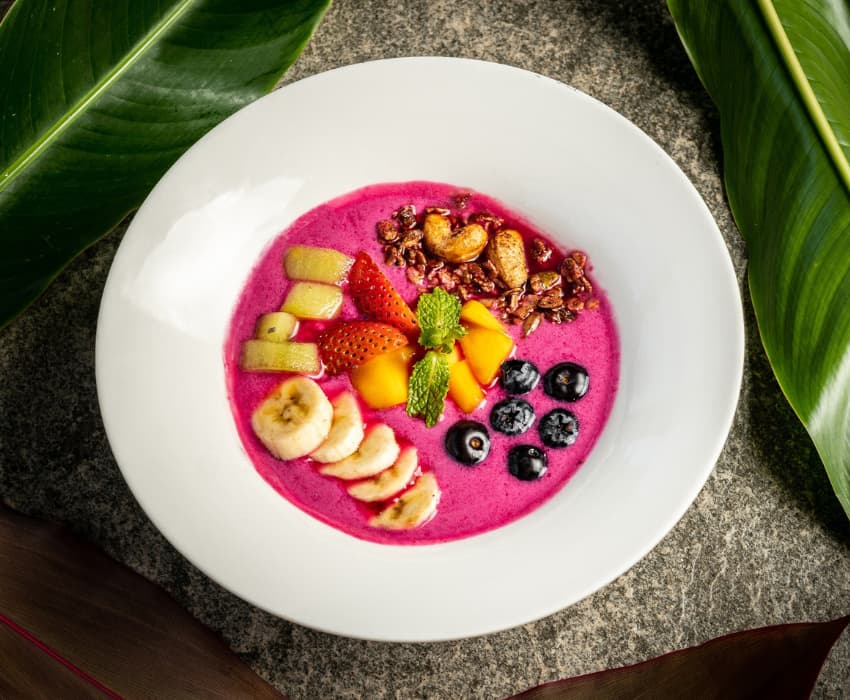
Breakfast might be a vegetable omelette with spinach, mushrooms and a little garlic, served with slices of fresh papaya or kiwi. Another day, you might enjoy a bowl of live yoghurt topped with mixed berries, pumpkin seeds, sunflower seeds and a single Brazil nut.
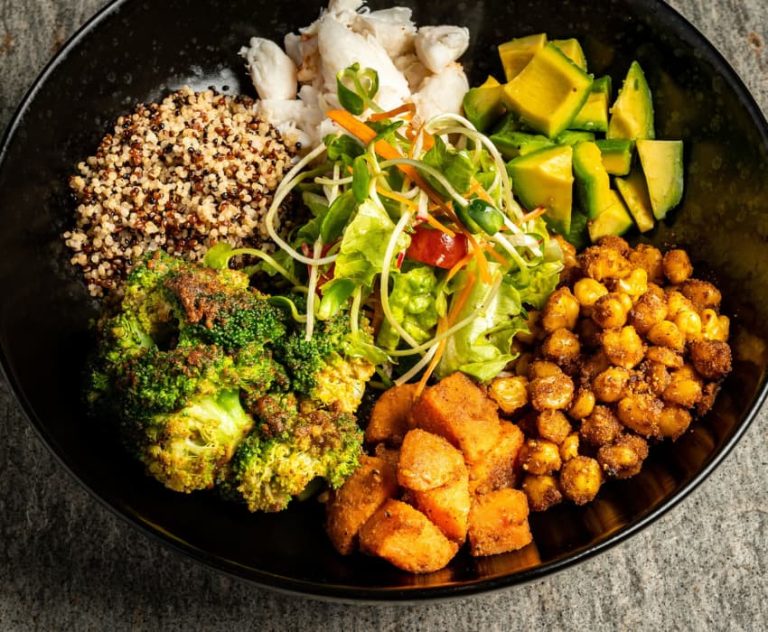
Lunch can be a large salad built on mixed leafy greens with additions such as grilled salmon or chicken, avocado, toasted seeds and a citrus dressing. A bowl of vegetable and bean soup made with homemade chicken or vegetable stock is another satisfying option.
Dinner could feature steamed fish with garlic, ginger and lime, served with lightly cooked broccoli and brown rice. Alternatively, a stir-fry with mushrooms, peppers, pak choi, and tofu or prawns offers colour and a wide range of plant compounds.
Snacks do not need to be complicated. Fresh fruit, a handful of mixed nuts, cut vegetables with hummus and mugs of green tea or herbal infusions keep you satisfied between meals while continuing to feed your immune system.
Many of these patterns are reflected in dishes created at Aleenta Phuket, where chefs balance enjoyment and nutrition. Guests often leave with new ideas that feel easy to repeat in their own kitchens.
Lifestyle Habits That Support Immunity
Food, water and gut health form a strong base for immune support, yet lifestyle choices also play a central role.
Sleep is one of the most powerful tools you have. During deep sleep, the body repairs itself, consolidates memories, and recalibrates immune responses. Irregular hours, screens late at night and caffeine too close to bedtime can all disrupt this. Creating a calming pre-sleep routine, such as gentle stretching, reading, or a warm bath, can help. At a resort setting, evening spa rituals and quiet beachfront walks naturally ease you towards rest.
Stress is another major factor. Constant worry keeps stress hormones elevated, which, in turn, can suppress immune function and increase inflammation. Massage, meditation, mindful breathing and time in nature are simple ways to lower stress. At Ayurah Spa, treatments are designed not just for pampering but to help the nervous system unwind genuinely.
Movement supports the immune system through improved blood flow, better lymph circulation and positive effects on mood and sleep. You do not need intense workouts to benefit. Regular brisk walking, swimming, cycling, yoga and light strength training all contribute. Guests at Aleenta can rotate between beach walks at sunrise, pool sessions, yoga classes and more structured fitness training, which often inspires new routines to continue at home.
Limiting smoking and keeping alcohol intake within recommended guidelines further reduces the burden on your immune system. Building strong, supportive relationships, spending time outdoors in natural light and giving yourself pockets of quiet time each week also contribute more than many people realise.
Immune Support In Everyday Life
Supporting your immune system is not about perfection or extreme regimes. It is about repeating simple choices that gradually build resilience. A glass of water upon waking, an extra portion of greens at lunch, a handful of nuts in place of sweets, a twenty-minute walk in fresh air, and a slightly earlier bedtime. Individually, these actions seem small. Taken together, they create a strong foundation.
Foods that boost the immune system are practical, enjoyable and widely available. When you focus on gut health, hydration, movement, and rest, your body is better equipped to protect you, calm unnecessary inflammation, and recover from challenges.
For some people, a focused break from routine makes it easier to embed these habits. A stay at Aleenta Phuket – Phang Nga Resort and Spa, with the support of Ayurah Wellness and the Ayurah Medical Spa, offers a chance to combine nourishing food, expert guidance and restorative treatments in a peaceful beachfront setting. The aim is for these experiences to travel home with you, shaping the way you care for your immune system long after your suitcase is unpacked.
Related Articles
- Health & Wellness Cuisine
- Lowering Cholesterol Naturally and Lifestyle Evolution
- Nourish Your Mind, Body & Soul
- Dishes from The Garden That Nourish Skin & Body
- FX Mayr and Wellness Cuisine Brings Gut Health to Phuket
Prefer an AI Summary?
Aleenta Phuket
Phang Nga Resort & Spa
Phang Nga Resort & Spa
33 Moo 5, Khok Kloi,
Takua Thung, Phang Nga
82140 Thailand
T: +66 (0) 76 580 333