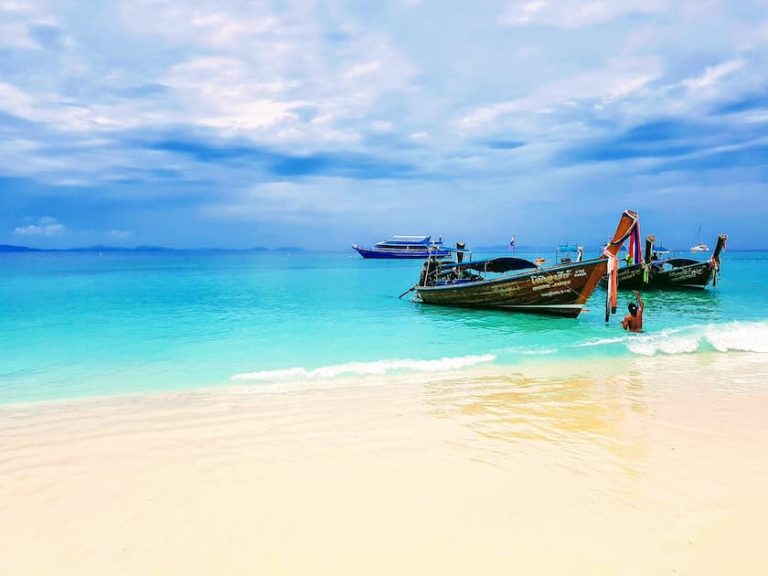
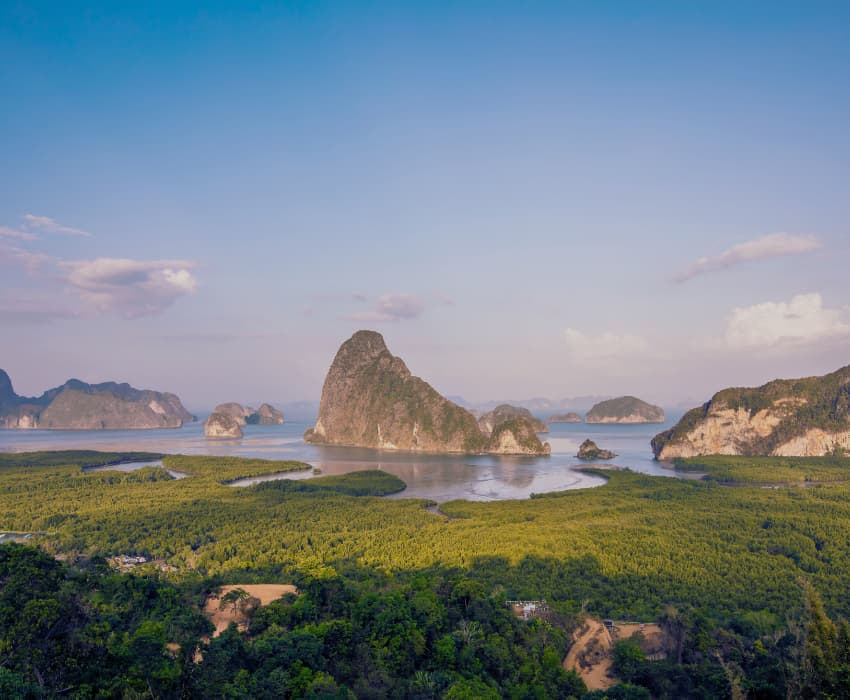
Phang Nga Bay stretches between the Thai mainland, Phuket and Krabi, with more than forty small islands scattered across calm, green water. Limestone towers rise straight from the sea, mangroves line the shore, and small communities still live from fishing and boat travel.
For visitors based in Phuket or along the Phang Nga coastline, including Natai Beach near Aleenta Phuket, the bay is within easy reach for day trips or longer adventures. You can glide into hidden lagoons by kayak, stroll through floating villages and pause on sandy beaches that feel a long way from busy resort areas.
Geography and Nature Of Phang Nga Bay
Ao Phang Nga National Park covers around four hundred square kilometres of sea and islands in Phang Nga Province. It was declared a marine national park in 1981 to protect the dramatic karst scenery, mangrove forests and rich marine life.
The bay is famous for its limestone tower islands, many with sheer cliffs that hide inner “hongs”, or rooms, that open to the sky. Channels, caves and lagoons link these inner spaces with the open sea. The park also contains one of Thailand’s most extensive mangrove forests, which provides breeding grounds for fish, crabs and birdlife, and helps shield the coast from storms.
Wildlife here ranges from kingfishers and eagles to macaques, monitor lizards and many reef fish. On a quiet day, you may spot wading birds in the shallows or see brahminy kites circling overhead as boats weave between the islands.
Islands In Phang Nga Bay
James Bond Island and Koh Khao Phing Kan
James Bond Island is the best known sight in the bay. The slender rock pillar in the sea is officially called Ko Tapu and sits beside the larger island of Khao Phing Kan. The area rose to fame after appearing in the 1974 film The Man With The Golden Gun and it remains one of the most photographed spots in southern Thailand.
Most tours stop at Khao Phing Kan. From the small beach, you can walk a short loop path, pause at viewpoints that frame Ko Tapu in the bay and visit simple stalls where local vendors sell drinks and souvenirs. It is a busy place, so quieter moments tend to be early in the morning or later in the afternoon, and smaller group tours often feel more relaxed.
Koh Panyee Floating Village
Koh Panyee sits at the foot of a steep limestone cliff, with most of the village built on stilts over the water. The community is mainly Muslim and has lived here for generations, initially arriving as fishermen who needed a safe anchorage in the bay.
Today, the village combines fishing with tourism. Day trips usually include lunch at a simple seafood restaurant, time to wander along wooden walkways and a look at the famous floating football pitch. When visiting, it helps to dress modestly, especially for women, and to support local families by buying snacks, drinks or handicrafts directly in the village.
Koh Hong and Hidden Lagoons
Several islands in the bay carry the name “Hong” because of their inner lagoons. Koh Hong in Phang Nga is a favourite stop for sea kayaking. At suitable tides, guides paddle through low passages and small caves into quiet inner pools encircled by high rock walls draped in foliage.
Light changes through the day. Late morning often brings warm tones on the cliffs, while late afternoon can feel softer and more atmospheric. Tide height matters, so organised tours time visits to suit the conditions and keep paddling safe and comfortable.
Koh Panak and Sea Caves
Koh Panak is another island known for its cave systems and hongs. From the outside, it looks like a typical limestone outcrop, yet narrow tunnels cut right through to the interior lagoons. Guides use small kayaks to navigate into these spaces, often asking guests to lie flat for a few moments as the roof dips close above.
Sturdy sandals or shoes with grip are useful when stepping in and out of kayaks on rocky or muddy patches. Listening carefully to guides is essential, as they know the tides and which routes are suitable on a given day.
Koh Yao Yai and Koh Yao Noi
Koh Yao Yai and Koh Yao Noi sit roughly in the middle of Phang Nga Bay. Both islands feel slower and more rural than Phuket. Coconut palms, rubber plantations and rice fields share space with quiet beaches and small villages.
Visitors come for cycling along gentle roads, kayaking in shallow bays, visiting local markets and enjoying fresh seafood. Koh Yao Noi has a slightly more developed feel, with cafés, small resorts and shops, while Koh Yao Yai remains more spread out. An overnight stay on one of these islands gives time to watch the light change over the bay and to experience local life after the day trips have gone.
Lawa Island and Naka Island
Several small islands around the bay are used as beach stops, including Lawa Island and Naka Island. These usually have sandy shores, shallow water and views across the karsts. Programmes often include time here for swimming, paddling and relaxing under the shade of trees.
These quieter pauses balance out more active parts of the day, such as cave visits or village walks, and suit families with younger children who need space to play.
Islands Near Phang Nga Bay For Day Trips
Similan Islands and Surin Islands
Further out in the Andaman Sea sit the Similan Islands and Surin Islands. They do not take place in Phang Nga Bay, but are often combined with a stay in the region. These islands are renowned for clear water, granite boulders and rich coral reefs.
Trips here tend to be full-day or overnight, with speedboat journeys of an hour or more each way from departure points near Khao Lak. Once there, visitors snorkel over reefs, relax on white-sand beaches and, for certified divers, explore well-known sites with steep drop-offs and dramatic underwater scenery.
Phang Nga Bay Vs. Outer Islands
Phang Nga Bay works well for days focused on scenery, caves, lagoons and culture. Boat journeys are usually shorter, and the many islands often shelter the waters. The outer island groups, such as Similan and Surin, suit guests who want clear, deep water, open-sea views, and long snorkelling or diving sessions.
Many guests plan a holiday that includes both. A few days enjoying the islands and villages of the bay, followed by a dedicated snorkelling or diving trip farther offshore, gives a rounded experience of the Andaman coast.
Island Experiences Around Phang Nga Bay
Sea Kayaking and Cave Adventures
Sea kayaking is one of the most memorable ways to experience the islands. Guides paddle inflatable kayaks through narrow sea-level caves that lead to hidden hongs. The water in these lagoons is often calm, with roots, ferns, and hanging vines framing the view, and rock walls rising on all sides.
Guests usually sit back while local paddlers handle the tricky parts. Soft, quick-drying clothing works well, along with a hat and a light waterproof bag for small items. Keeping voices low inside the caves makes it easier to hear birds and the gentle splash of paddles. Touching delicate rock formations or wildlife is best avoided, so that future visitors can enjoy the same scenery.
Snorkelling and Swimming
Water clarity in the inner bay varies throughout the year. Yet, there are still pleasant spots for swimming and light snorkelling, especially around the outer beaches and some smaller islands on the edge of the park. Many programmes include mask and snorkel hire, giving guests time to float over seagrass beds or rocky patches where fish gather.
Reef-safe sunscreen helps reduce its impact on marine life. It is important not to stand on coral or kick it with fins, as even light contact can damage fragile structures. For many visitors, a gentle swim in the warm water with views of limestone cliffs all around is just as appealing as deeper snorkelling.
Viewpoints
On land, Samet Nangshe viewpoint on the Phang Nga mainland has become a favourite sunrise stop. From the ridge, you look out across mangrove forests to a wide spread of islands, with the first light picking out the shapes of the karsts.
Elsewhere, viewpoints on Koh Yao and hilltops near Phang Nga town give different angles on the bay. On the water, some of the best photographs come simply from standing on the bow of a moving boat as you glide past cliffs and into narrow channels. A light cloth or dry bag helps protect cameras from salt spray, and a wide-angle lens is ideal for close-up views of the rock walls.
Culture, Markets and Local Food
Time in the bay need not be spent only on the water. Inland, the small town of Phang Nga sits amid karst hills and has a relaxed, local feel. Markets in the province, such as those near Khao Lak and Takua Pa, offer fresh fruit, snacks, seafood and street food from morning until evening.
Dishes to try include southern Thai curries, grilled fish, stir-fried greens and simple noodle soups. In Muslim villages, pork is not served, and alcohol is either restricted or absent, so it’s best to follow local customs and dress respectfully. A few basic Thai phrases for greeting and thanks are always appreciated.
Responsible Island Travel In Phang Nga Bay
Protected Marine and Coastal Areas
Ao Phang Nga National Park exists to protect both scenery and ecosystems. Visitors pay a park fee, which supports conservation work, and are expected to follow simple rules such as not littering, not collecting shells or coral and keeping to marked paths on land.
Mangroves, seagrass and coral all play a key role in the health of the bay. By following guidelines, guests help keep the water clean and habitats intact for future trips.
Low Impact Boat and Kayak Trips
When choosing tours, it is sensible to look for operators that limit group sizes, follow national park rules and manage waste properly. Many responsible companies now offer refill stations for drinking water rather than single-use plastic bottles, and avoid feeding wildlife or encouraging guests to disturb animals.
Non-motorised activities such as sea kayaking and paddleboarding are gentle on the environment and allow quieter moments, especially when exploring inner lagoons and mangrove channels.
Supporting Local Communities
Tourism in Phang Nga Bay provides income for many families, from boat crews and guides to market vendors and homestay owners. By choosing locally owned tours, eating at simple restaurants and buying crafts in villages, visitors help money stay within the community.
Small gestures help build connection, such as learning a few Thai greetings, asking before taking close-up photographs of people, and being patient when things move at island pace.
Sustainable Stays near The Bay
Staying in a resort that supports conservation and community projects is another way to give back. Along Natai Beach, Aleenta Phuket Phang Nga Resort & Spa follows a low-impact approach that includes being single-use plastic-free since 2018, supporting beach clean-ups and contributing nightly to the Pure Blue Foundation for local marine and community projects. The resort also holds Travelife certification and is a member of Leading Hotels of the World, recognising its commitment to responsible luxury in this coastal setting.
Best Time To Visit Islands In Phang Nga Bay
Cool Season from November To February
From November to February, conditions are usually drier with slightly cooler temperatures and lower humidity. Skies tend to be clearer, seas are generally calm, and visibility for views across the bay is often excellent. This is the most popular period, especially around Christmas and New Year, so boats and islands can feel busy at peak times.
Hot Season from February To Early May
From late February through April, days are warmer, and the sun feels stronger. Sea conditions are often favourable for boating, and long days on the water are the norm. Many hotels offer attractive rates during these months, and some tours feel a little less crowded outside school holidays.
Rainy Season from May To October
From May to October, showers and short storms move through, yet many days still bring bright spells and enjoyable outings. Rain often comes in bursts, leaving clear air and rich green hills behind. Boats operate according to weather forecasts, adapting routes as needed, and some offshore islands close for conservation during part of this period.
For guests who do not mind a passing shower, this season can feel peaceful, with fewer visitors and very lush scenery.
Your Island Itinerary In Phang Nga Bay
Day Trips
A classic Phang Nga Bay day often blends three elements. Boats cruise between the limestone towers, stop at Koh Panak or a similar island for sea caves and hongs, visit James Bond Island for photos, then continue to Koh Panyee for a seafood lunch and a short village walk. A final stop at a beach island, such as Naka or Lawa, adds time for swimming before returning to the pier.
Another popular pattern focuses on kayaking, spending more time in hongs and mangrove channels, with more time paddling and less village sightseeing.
Multi Day Island Trips
Guests with two or three days available can plan a more relaxed route. One idea is to start with a full day in the core of the bay, then spend a night or two on Koh Yao Noi or Koh Yao Yai, using local boats to explore nearby beaches and viewpoints. Those with more extended holidays sometimes add a separate excursion to the Similan or Surin Islands for dedicated snorkelling or diving.
Style Of Tour
Shared speedboat trips suit travellers who want to cover many highlights in a single day and are not bothered by a livelier atmosphere. Longtail boat charters feel more traditional and often run at a slightly gentler pace, with routes that can sometimes be adjusted by agreement on the day. Yacht or catamaran cruises place more emphasis on comfort on board, with space to lounge between stops.
When picking a tour, consider journey times from your base, your interest in culture versus caves and lagoons, and how much time you prefer on the boat versus ashore.
Family Friendly Island Days
Families often favour routes with shorter boat legs, shaded beach stops and plenty of breaks for snacks and swimming. Calm bays and shallow water around some islands lend themselves to gentle paddling, sandcastle building and simple games on the shore.
Life jackets for all ages, sun hats, light long-sleeved tops, and regular drinking water make days on the water more comfortable for younger guests. Many operators welcome children, so it is easy to choose a programme that fits the age and energy levels of your group.
Your Beach Resort near Phang Nga Bay
Our luxury beach resort stands on a long sweep of Natai Beach in Phang Nga Province, around twenty-five minutes north of Phuket International Airport. From here, guests can reach departure piers for Phang Nga Bay day trips in well under an hour, yet return in the afternoon to a quiet stretch of sand with sunset views over the Andaman Sea.
The resort’s setting makes it a natural base for guests who want regular time on the islands combined with restful evenings by the sea.
All Suites Concept
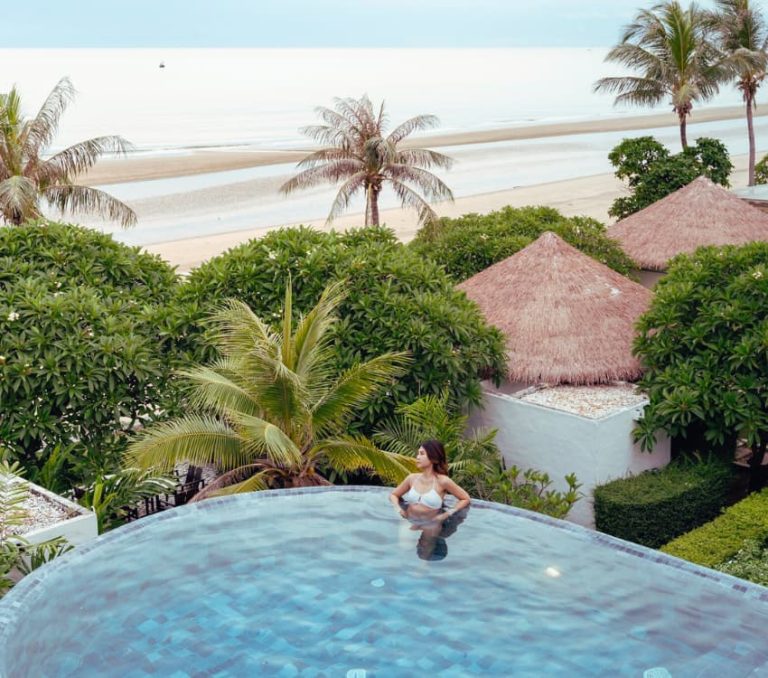
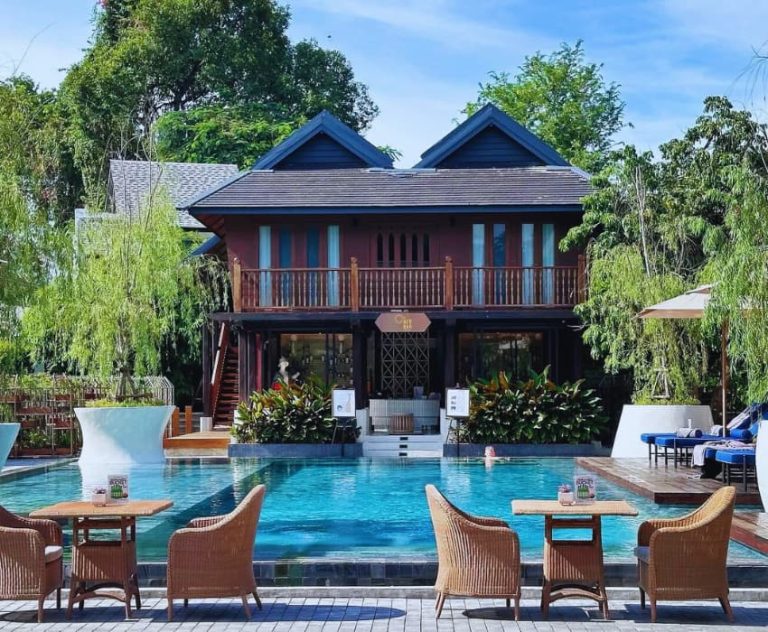
Aleenta Phuket follows an “all suites, all private” idea. Every suite offers generous living space from around eighty square metres, with features such as private pools or direct pool access that feel especially welcome after a warm day out on the water. Options range from ocean-view lofts for couples to four-bedroom beachfront villas suitable for families or groups of friends travelling together.
Light-filled interiors, floor-to-ceiling glass, and outdoor areas make it easy to stretch out, unpack, and truly settle in between day trips.
Ayurah Spa and Wellness
Ayurah Spa at Aleenta Phuket focuses on long-term wellbeing, drawing on both modern and traditional approaches. After island adventures, guests often choose massages to ease tired shoulders and legs, herbal steam sessions, or body rituals to nourish sun-exposed skin.
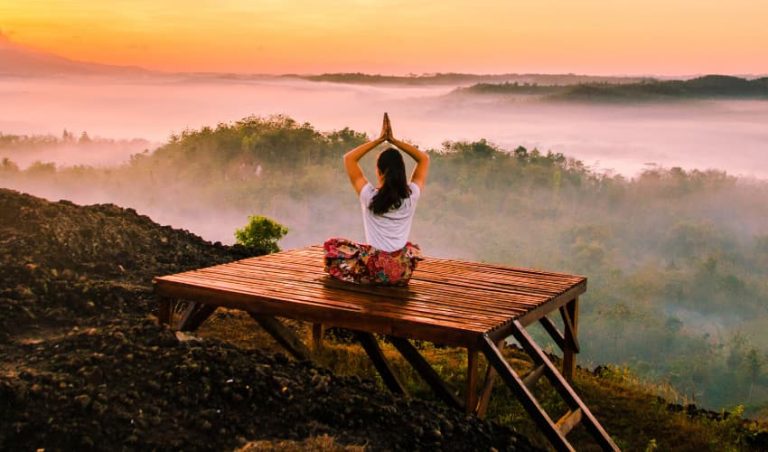
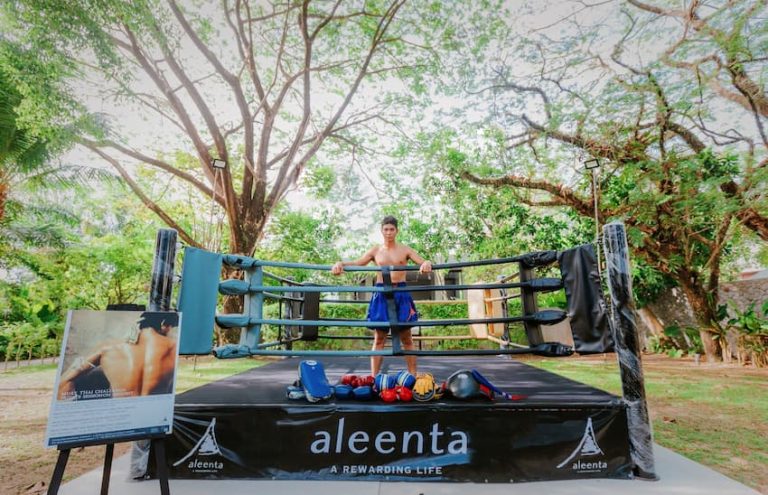
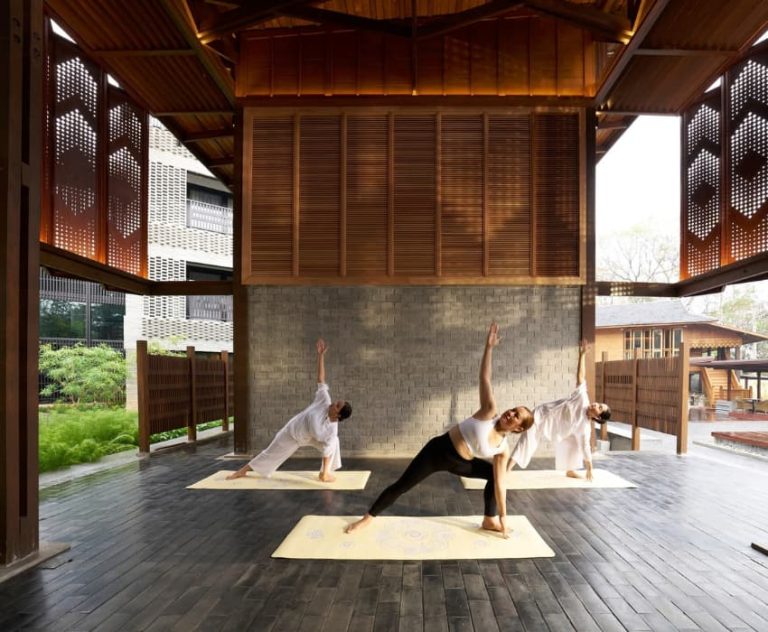
The resort’s wider wellness offering includes movement classes such as yoga, stretching, Pilates-inspired sessions, and Muay Thai fundamentals, available on a weekly schedule for in-house guests. Longer retreat programmes are also available for those who wish to build a holiday around fitness, rest and healthy habits.
Sustainable Stays That Support The Bay
Aleenta Phuket has followed a clear sustainability path for many years. The resort has removed single-use plastic from guest areas, introduced refillable glass water bottles, and adopted measures to reduce energy and water use.
Through the Pure Blue Foundation, which receives a contribution from every room night, Aleenta supports beach clean-ups, education projects and marine conservation along the Andaman coast. Travelife certification and membership of Leading Hotels of the World recognise this ongoing effort to combine attentive service with responsible practice.
Choosing a boutique resort that cares for its surroundings adds another layer of meaning to an island-focused holiday. Guests can enjoy the beauty of Phang Nga Bay by day, then return to a coastal retreat that helps protect the same landscapes and communities for years ahead.
Related Articles
- Exploring Phang Nga Bay
- Sea Caves in Phang Nga Bay
- Things to See and Do in Phang Nga
- Hidden Gems in Phang Nga
- James Bond Island in Ao Phang Nga National Park
Prefer an AI Summary?
Aleenta Phuket
Phang Nga Resort & Spa
Phang Nga Resort & Spa
33 Moo 5, Khok Kloi,
Takua Thung, Phang Nga
82140 Thailand
T: +66 (0) 76 580 333