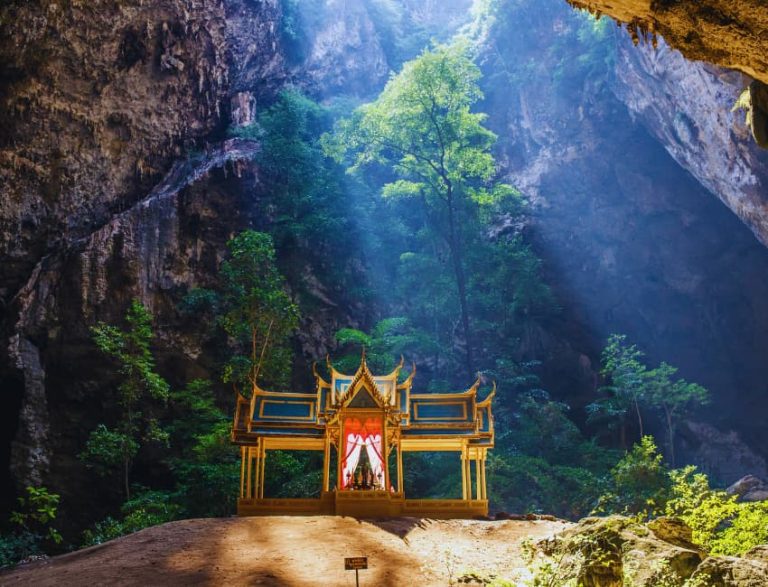
Phuket is Thailand’s largest island and one of the country’s most recognisable destinations. Sunlit beaches, lively markets, cultural landmarks and offshore islands create an appealing mix for visitors from around the world. Some travellers stay for weeks, enjoying the relaxed pace of island life. Others may only have a short window before continuing their journey.
A brief stay does not mean missing out. With thoughtful planning, two days are enough to experience several of Phuket’s most memorable sights, from historic neighbourhoods and temples to the dramatic coastal landscapes that define this region of southern Thailand.
If your time is limited, a carefully chosen itinerary will let you enjoy both the island’s natural beauty and cultural character.
The Beaches
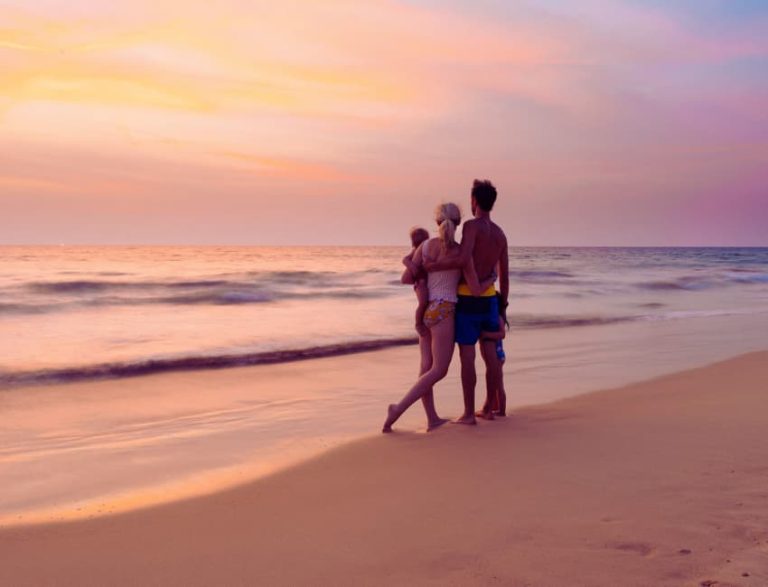
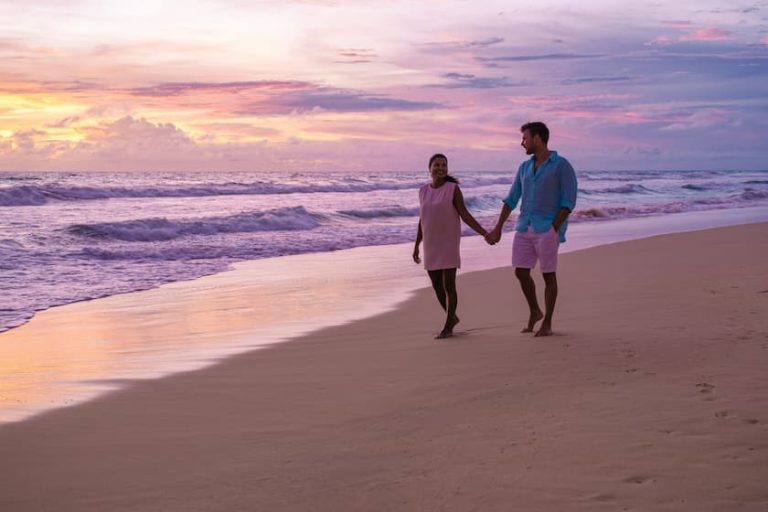
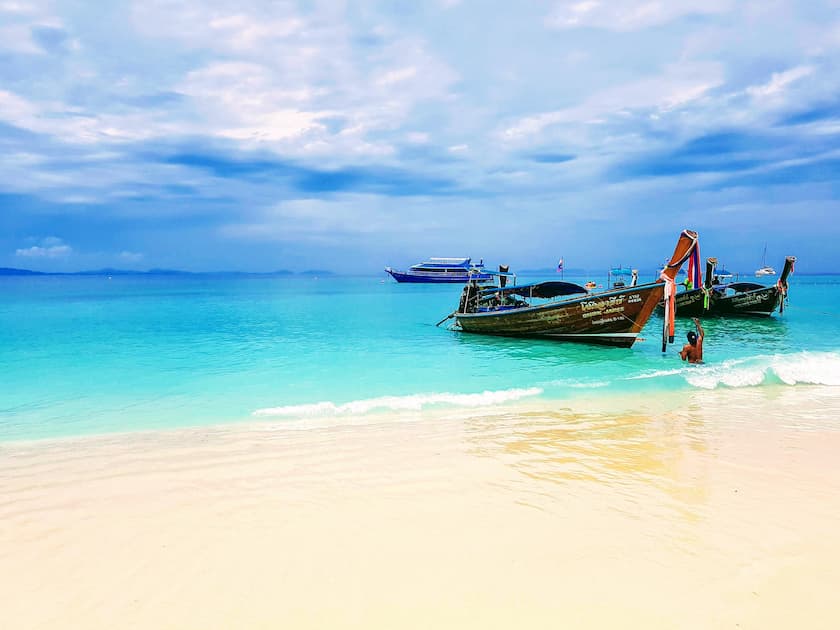
Phuket’s beaches remain one of the island’s greatest attractions. Soft sand, warm Andaman waters and long stretches of coastline provide endless options for relaxing by the sea.
Visitors often head to Patong, Karon or Kata Beach on the island’s west coast. These areas offer lively beach scenes, water sports, restaurants, and beachside cafés. Patong is best known for its energetic atmosphere, while Kata and Karon offer a slightly calmer environment.
Freedom Beach offers a different experience. Hidden between forested hills, it is reached by boat or a short trek. Its quieter setting and clear water make it popular with travellers looking for a more peaceful afternoon by the sea.
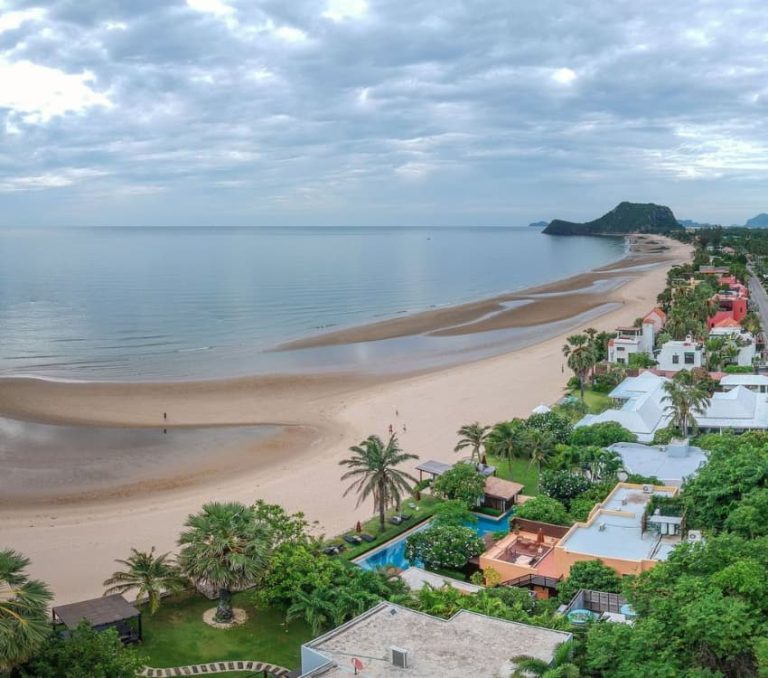
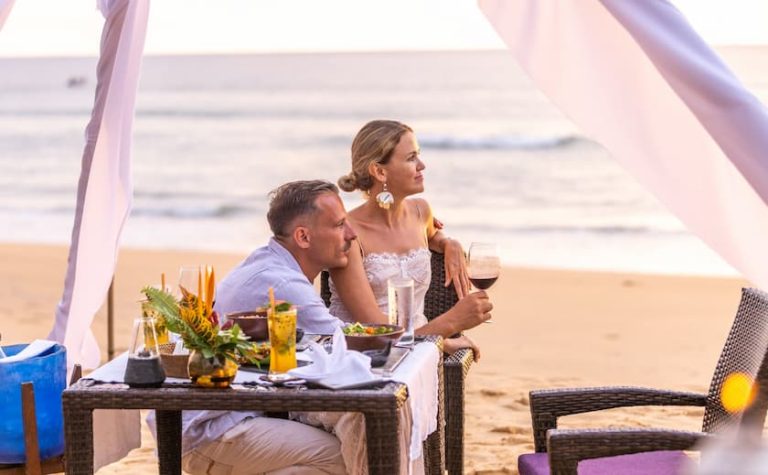
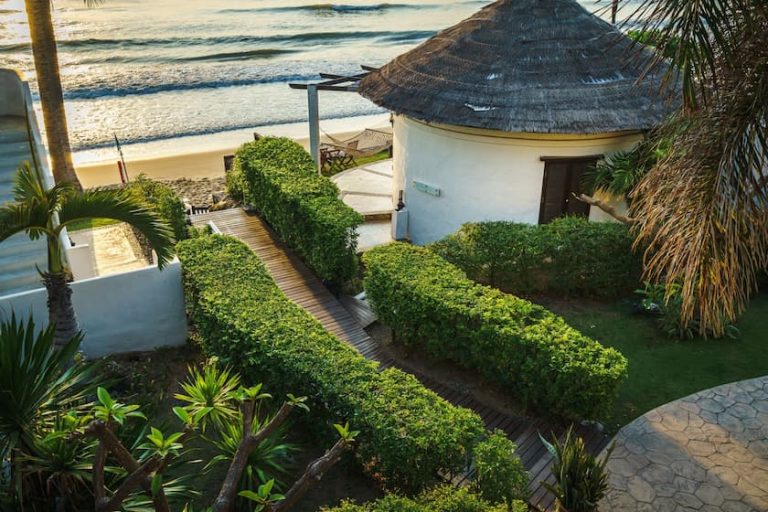
Guests staying at our boutique luxury resort enjoy direct access to Natai Beach in Phang Nga. This stretch of coastline is far less crowded than many beaches on Phuket island, offering wide sands and uninterrupted views across the Andaman Sea.
Phuket Old Town
Phuket Old Town offers a fascinating contrast to the island’s beach resorts. Located within Phuket City, the district reflects the island’s rich history as a centre of the tin mining industry during the nineteenth and early twentieth centuries.
Colourful Sino-Portuguese buildings line the streets, many of which have been carefully restored. These historic shophouses now host cafés, galleries, boutique shops and small museums. Walking through the neighbourhood gives visitors a sense of Phuket’s multicultural heritage shaped by Thai, Chinese and European influences.
Several temples and shrines can also be found throughout the area. On weekend evenings, the streets fill with stalls and food vendors as the popular night market comes to life. Local snacks, handmade goods and live music create an energetic atmosphere that draws both residents and visitors.
Phi Phi Islands
The Phi Phi Islands remain one of southern Thailand’s most recognised island groups. Located around forty kilometres from Phuket, the archipelago can be reached by ferry or speedboat in under two hours.
Phi Phi Don is the only inhabited island and offers a lively village setting with restaurants, cafés and beachfront accommodation. Snorkelling, kayaking, and boat trips around the surrounding bays are popular daytime activities.
Nearby Phi Phi Leh is protected as part of a national park and is uninhabited. Its towering limestone cliffs surround emerald lagoons and hidden beaches. Maya Bay, made famous by the film The Beach, is on this island and reopened to visitors in 2022 under environmental protection measures to safeguard the marine ecosystem.
A day trip to the Phi Phi Islands provides an unforgettable glimpse of the dramatic coastal landscapes that define the Andaman Sea.
Phang Nga Bay
Phang Nga Bay lies between Phuket Island and mainland Thailand. Known for its towering limestone formations rising from emerald water, it is one of the most photographed seascapes in the region.
Boat excursions travel through a maze of islands, sea caves and hidden lagoons known locally as hongs. Kayaking through these natural chambers lets visitors access sheltered interior lagoons surrounded by cliffs and dense vegetation.
One of the bay’s most famous landmarks is James Bond Island, featured in the film The Man with the Golden Gun. While the limestone pillar itself attracts many visitors, the surrounding mangrove forests and small islands are the true highlight of the journey.
The bay is part of Ao Phang Nga National Park, an area rich in wildlife and coastal ecosystems. Mangrove forests provide habitat for birds, fish and other marine life while also protecting the coastline from storms and erosion.
Bangla Road, Patong
Bangla Road sits at the centre of Phuket’s nightlife scene. In Patong, the street transforms each evening into a pedestrian zone filled with music, lights, and crowds.
Bars, clubs and entertainment venues line the road, each competing to draw visitors inside. Street performers and food vendors add to the lively atmosphere. For travellers interested in Phuket’s energetic side, an evening walk through Bangla Road offers a glimpse of the island’s well-known nightlife culture.
Even if you only spend an hour there, the experience provides an interesting contrast to the peaceful beaches found elsewhere on the island.
The Big Buddha
One of Phuket’s most recognised landmarks stands high on the Nakkerd Hills between Chalong and Kata. The Big Buddha statue rises 45 metres above the hilltop and can be seen from many parts of southern Phuket.
Officially named Phra Puttamingmongkol Akenakkiri Buddha, the statue is made of concrete and covered with white Burmese marble, which reflects sunlight throughout the day.
Visitors travel up the hillside road to reach the site, though a hiking route is also available for those seeking a more active approach. From the summit, wide views stretch across Chalong Bay, Phuket Town and the surrounding coastline.
The peaceful atmosphere and panoramic setting make the Big Buddha one of the island’s most rewarding viewpoints.
Wat Chalong
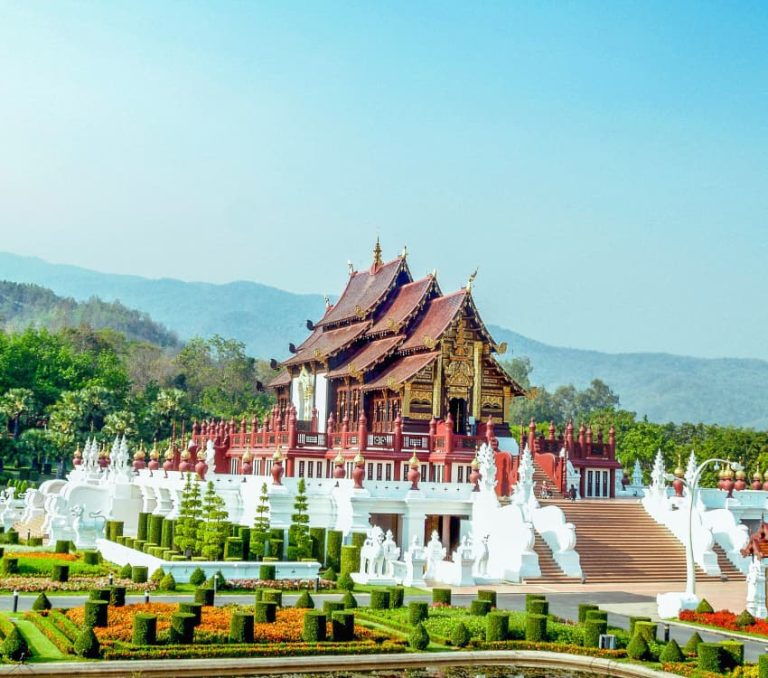
Wat Chalong is Phuket’s most important Buddhist temple and a place of worship for residents and visitors alike.
The temple complex honours two monks who played important roles in the island’s history in the nineteenth century. Many people visit the temple to pay their respects and offer incense or flowers.
The tallest structure within the grounds is the sixty-metre chedi. Inside, decorative murals illustrate scenes from the life of the Buddha. A small bone relic believed to belong to the Buddha is preserved in the upper level of the structure.
The temple’s peaceful courtyards and ornate architecture make it a meaningful cultural stop on any visit to Phuket.
Your Boutique Base at Aleenta Phuket
A short visit to Phuket becomes far more rewarding when paired with a peaceful base away from the busiest parts of the island. Aleenta Phuket – Phang Nga Resort & Spa offers that balance.
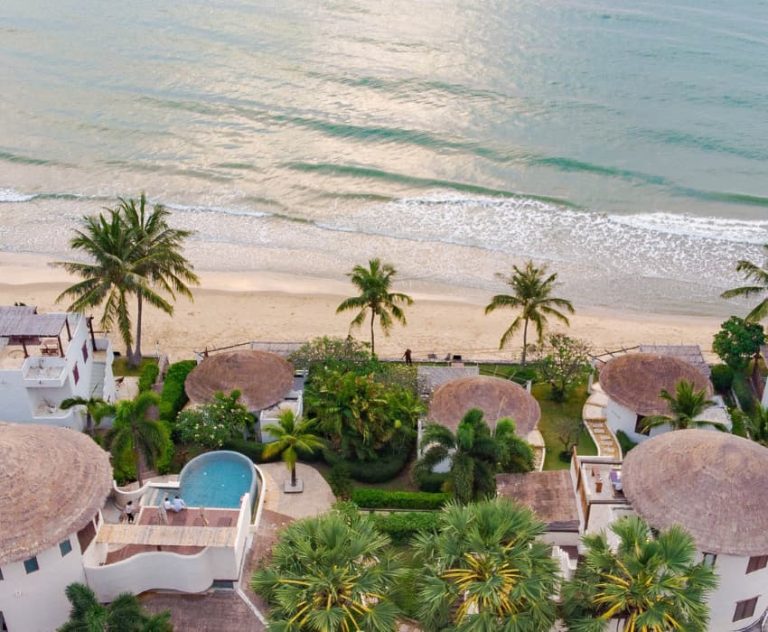
Located just north of Phuket International Airport on Natai Beach, the resort sits on a quiet stretch of coastline facing the sunset side of the Andaman Sea. The setting provides direct access to one of the region’s most beautiful beaches while remaining within easy reach of Phuket’s major landmarks.
Guests can spend their mornings exploring nearby Phang Nga Bay, visiting cultural sites, or taking island excursions before returning to the resort’s calm atmosphere. Private pool suites, beachfront villas, and wellness programmes at Ayurah Spa help visitors unwind after a day of travel and exploration.
For travellers planning a short stay in Phuket, Aleenta Phuket offers the opportunity to experience both the island’s highlights and the quiet coastal beauty of neighbouring Phang Nga.
Related Articles
- Day Trip to Phuket Old Town
- The Best of Phuket
- Ao Phang Nga National Park
- Phuket Holiday Tips
- Best Kept Secret Beach near Phuket
Prefer an AI Summary?
Aleenta Phuket
Phang Nga Resort & Spa
Phang Nga Resort & Spa
33 Moo 5, Khok Kloi,
Takua Thung, Phang Nga
82140 Thailand
T: +66 (0) 76 580 333